



Moving to a new house really forces you to face facts about how much stuff you actually own. It is honestly terrifying. Most of us just completely underestimate the sheer amount of junk we keep shoved in the back of our closets and up in the attic. I know I do. But what happens when you finally open those doors? You know the ones. The doors you have not looked behind in literally months. Suddenly, the idea of packing it all up just feels entirely overwhelming. It is exactly the kind of creeping stress that keeps you awake at two in the morning, staring blindly at the ceiling.
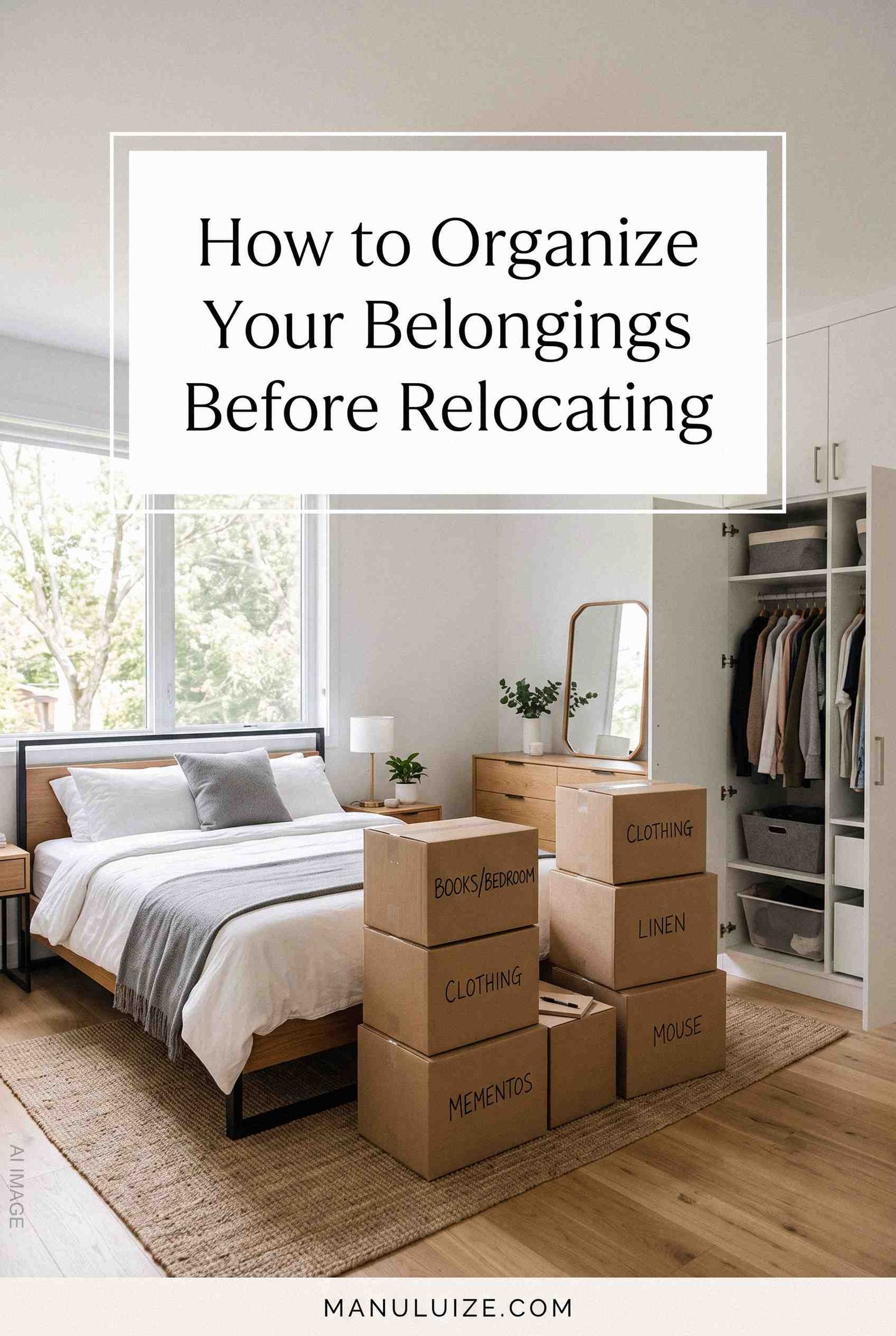
Organizing your belongings before you relocate is truly the only way to keep your sanity intact during a major life transition. Taking a strategic approach to decluttering will save you so much time. Plus, it significantly cuts down your moving expenses.
The main goal is to make sure only the things that actually serve a purpose make the journey. Every single object you decide to pack takes up time, energy, and physical space in a truck.
It takes brutal honesty. And probably a lot of coffee.
Establish a Central Staging Area
The very first step in organizing your stuff is creating a physical staging area. You need a dedicated spot where you can sort things without tripping over them every single day. So, an empty spare bedroom or a cleared-out corner of the garage works perfectly for this. I vividly remember clearing out a corner of my living room just for this exact purpose. I sat on the floor surrounded by half-filled cardboard boxes and just wondered how I had managed to accumulate so many old fitness magazines.
You really should set up clearly defined zones within this staging area. Make distinct piles. One of the things you want to keep. Another for the items you plan to donate. And a big one for the trash. Having a visual representation of your progress genuinely keeps you motivated when you want to quit. As you move through your house, you will carry items back to this staging area to make your final decisions. This stops you from just shuffling clutter from one side of a room to the other in a never-ending, depressing loop.
I guess it is just basic human nature to move a pile of mail from the coffee table to the kitchen counter and pretend the room is clean. We all do it.
A staging area also gives you a convenient spot to store all your packing materials. You can stack up your boxes, bubble wrap, and packing tape right there in the corner. This keeps your actual living spaces somewhat functional for as long as possible. Trust me, before long, the harsh sound of packing tape ripping off the roll will become the soundtrack of your entire month.
Address the Logistics of Your Transition
While you are sorting through all your physical possessions, you have to think about the physical transition of those items. The volume of stuff you decide to keep directly impacts how you coordinate the move itself. How are you going to get everything from point A to point B without losing your mind?
If you are planning a long-distance relocation, your timeline will be incredibly tight. You absolutely have to lock in your moving date well before you even start packing. Securing professional cross-country movers early in the process ensures you actually have a guaranteed transport solution when the big day arrives. These are the experts who handle the heavy lifting and the incredibly complex logistics of interstate transport. When you know exactly how much space you have reserved on their truck, you suddenly have a clear capacity limit. This limit forces you to be honest with yourself about what you actually need to bring.
Space is money when you are moving.
Knowing your exact logistical constraints makes the organizing process so much more objective. You just stop holding onto random items out of guilt and start evaluating them based on their actual utility. And honestly, that is the whole point. You have to learn to let go of the guilt.
Execute a Room-by-Room Strategy
Trying to organize your entire house all at once is just a complete recipe for disaster. You will burn out so fast if you try to tackle the messy kitchen and your chaotic bedroom at the same time. The absolute best strategy is to work systematically through one single room at a time.
You should always begin with the spaces you use the least. Guest bedrooms, attics, and basements are usually filled with items that you do not even interact with on a daily basis. Since these spaces just hold seasonal decorations and forgotten hobbies, the decisions are usually much easier to make. Sorting these easy areas first builds up your momentum. It gives you a much-needed early sense of accomplishment.
Once the storage areas are finally clear, you can move on to the much more complex spaces. The kitchen is notoriously difficult to organize. It is full of small, fragile items and surprisingly heavy appliances. You will literally need to pull everything out of the cabinets just to see what you actually own. Throw out those expired pantry items. Donate the duplicates of specialized cooking tools you never use. It is weird how unexpectedly emotional it can be to throw away expired spices you bought for one specific dinner party three years ago.
Your bedroom closets should be the final major hurdle. Clothing holds so much sentimental value. That makes it incredibly hard to part with certain pieces. But do you really need that scratchy sweater you have not worn in five years? Probably not. A good rule of thumb is to donate anything you have not worn in the last calendar year.
Implement a Strict Sorting Protocol
As you evaluate each item, you need a strict protocol to prevent second-guessing. You have to ask yourself if the object has a clearly defined purpose in your new home. If you cannot picture exactly where an item will live in the new space, you probably do not need it. After all, why would you pay to move something you will never ever use again?
For the items you choose to donate, you should bag them up and remove them from the house immediately. Leaving full donation bags sitting by the front door just gives you the opportunity to pull items back out. Take the bags to a local charity center on the very same day you fill them.
There is a really profound sense of relief watching those black garbage bags finally disappear into a donation bin.
Selling your valuable items is another excellent way to reduce your moving load. Plus, it generates a little extra cash. You can list furniture and electronics on local community boards. But you have to be realistic about the resale value of your old possessions. Price items competitively so they leave your home quickly. If an item does not sell within a single week, you should just transition it to the donation pile so you can keep your progress moving forward.
Create a Detailed Digital Inventory
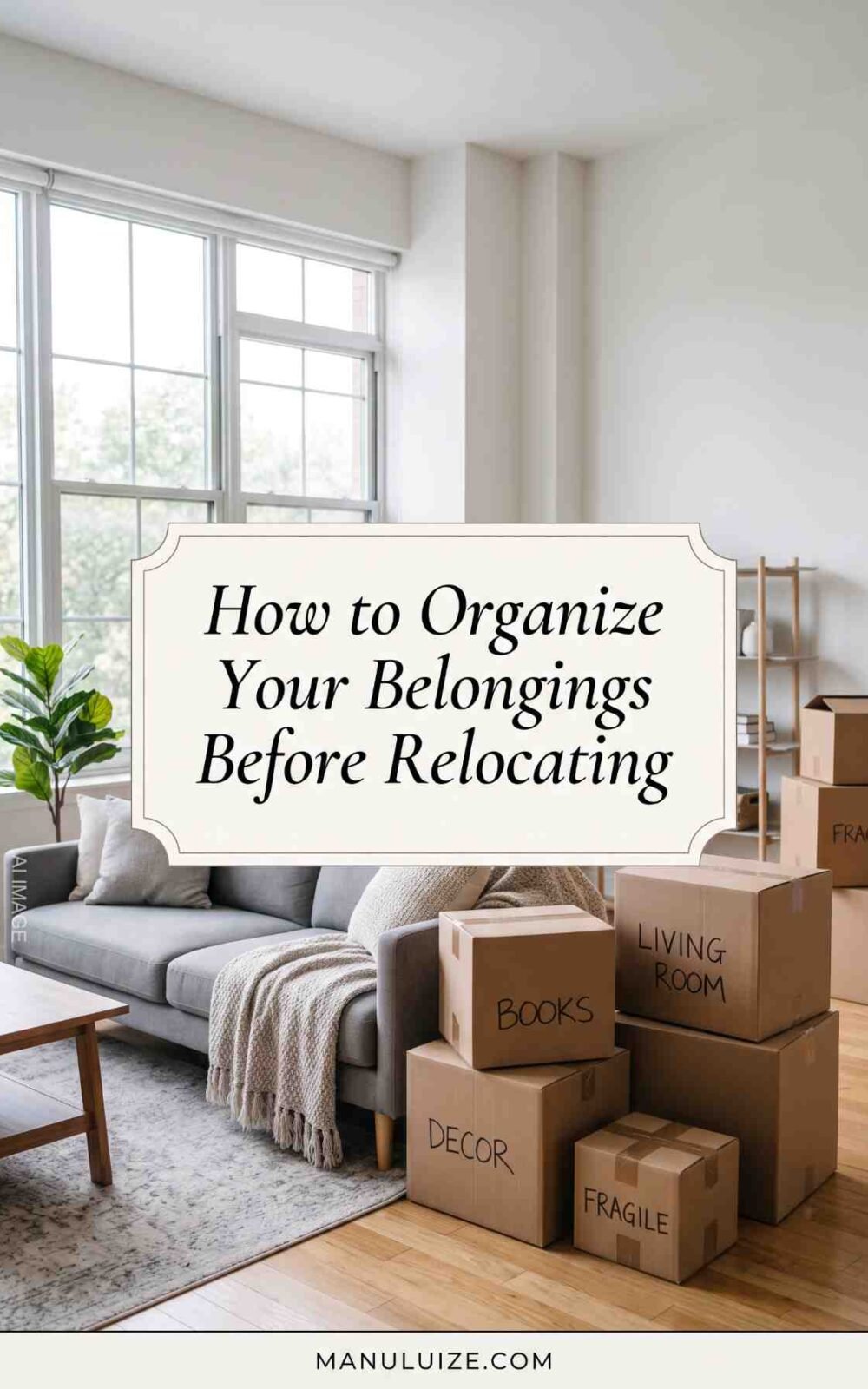
Organizing is not just about reducing your possessions. It is also about knowing exactly what you own. Creating a detailed inventory is a critical part of the pre-moving process.
Instead of writing everything down on a messy legal pad, you should use a simple digital spreadsheet. You can list your high-value items right alongside their estimated worth and current condition. Taking photographs of your electronics, artwork, and expensive furniture is highly recommended. These photos basically serve as a digital record of the condition of your belongings right before they are loaded onto a truck.
This inventory will be invaluable when it is finally time to unpack. You will know exactly how many boxes correspond to each specific room. It also provides a crystal-clear reference point if you need to file an insurance claim for items damaged in transit. Staring at an unrecognizable dent on your favorite coffee table is bad enough without having to fight an insurance company over it.
Peace of mind is totally worth the extra effort.
Prepare for the Final Packing Phase
Once you have sorted, donated, and inventoried all your belongings, the actual packing phase becomes remarkably simple. You will only be boxing up the items that truly matter to you.
You should pack similar items together to make the unpacking process logical. Keep all your baking supplies in one box and all your bathroom towels in another. Label every single box clearly on multiple sides. You should write the destination room and a brief summary of the contents right on the exterior.
Organizing your belongings requires a massive investment of time and mental energy. However, the effort really pays off the moment you walk into your new home. Instead of facing a mountain of useless clutter, you are greeted by organized boxes containing only the things you actually need and love. Honestly, standing in a clean, uncluttered new space makes every single hour of stressful sorting completely worth it.