



Plenty of people layer skincare products without really understanding how those products interact—and the results often speak for themselves: congested pores, stubborn dryness, or unexpected irritation that seems to come out of nowhere. Building a more intentional routine with serums and face oils, on the other hand, can make a genuine difference to your skin’s long-term health and resilience.
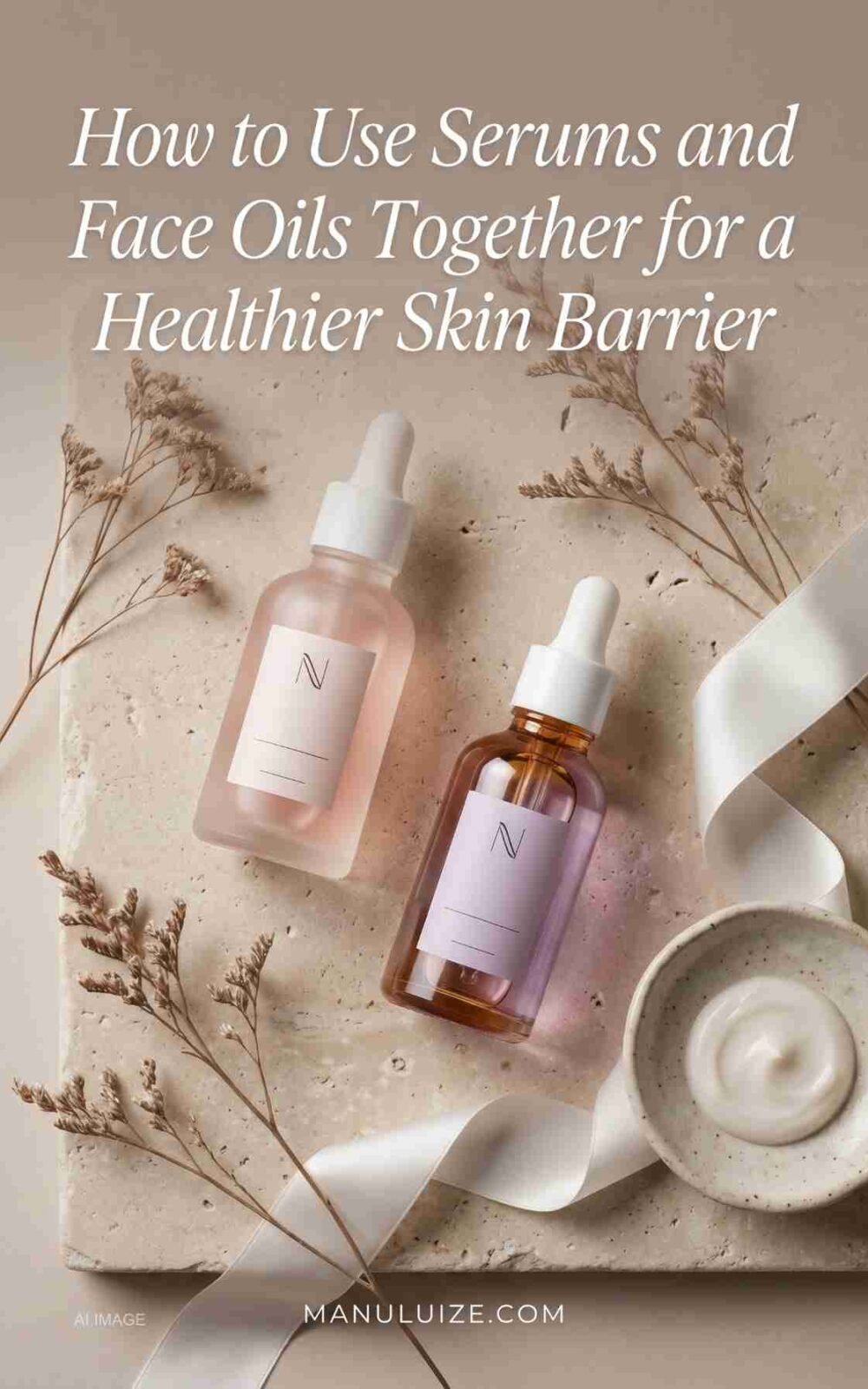
Understanding the Skin Barrier and Why It Matters
Whether you reach for a lightweight hydrating formula, a peptide face oil serum, or a straightforward plant-based oil, knowing how these products work together puts you in a much better position to actually support your skin barrier. This article draws on established dermatology principles to help you make informed, practical decisions—not push you toward any particular product.
Picture the skin barrier—technically called the stratum corneum—as a protective wall built from cells and lipids. Its job is straightforward but essential: keep moisture in, and keep irritants, pollutants, and pathogens out. When that wall is compromised, the signs tend to be hard to ignore—persistent tightness, redness, heightened sensitivity, or a cycle of frequent breakouts.
A well-considered routine supports barrier recovery at each step: gentle cleansing removes impurities without stripping natural oils, targeted serums deliver beneficial ingredients where they’re needed, and the right moisturizers or oils help seal everything in. Ingredients like peptides, humectants such as hyaluronic acid, and skin-identical lipids each play a distinct role in this process, and understanding those roles is what separates a routine that works from one that doesn’t.
Key Takeaway: Protecting the skin barrier is the foundation of any effective skincare routine, regardless of which specific products you choose.
What Serums Do in a Facial Routine

Face serums are typically water-based, concentrated treatments formulated to deliver active ingredients efficiently and in meaningful amounts. Common serum ingredients include:
- Peptides – short chains of amino acids that function as signaling molecules, encouraging the skin to support collagen and elastin production
- Humectants like hyaluronic acid, which draw water into the skin and help it stay there
- Antioxidants and soothing agents that help address concerns such as uneven tone or low-level inflammation
Research into peptide-containing regimens points to improvements in skin texture, firmness, and the appearance of fine lines with consistent use over several weeks. Realistic expectations matter here: visible changes rarely happen overnight, and results depend heavily on formulation quality and how an individual’s skin responds.
What Face Oils Do—and How They Differ from Serums
While serums are focused on delivering actives, face oils serve a different primary purpose: they help seal in moisture and reinforce the skin’s lipid barrier. Oils are richer in texture, oil-based by nature, and work through a process called occlusion—essentially forming a protective layer over the skin that slows transepidermal water loss.
| Face Serum | Face Oil | |
| Base | Water-based | Oil-based |
| Purpose | Deliver actives, hydrate | Seal moisture, support barrier lipids |
| When applied | Before moisturizer/oil | Last step (or near last) |
It’s worth noting that oils aren’t the right fit for everyone. Those with acne-prone skin should look for non-comedogenic options specifically and introduce them gradually rather than diving straight in.
Layering Serums and Oils Safely
The guiding principle here is simple: apply products from thinnest to thickest consistency. A typical sequence looks like this:
- Cleanser
- Toner (if used)
- Water-based serum (including peptide serums)
- Moisturizer (optional)
- Face oil
Apply serum before face oil so that water-soluble actives can penetrate the skin without an oil layer getting in the way. Hybrid formulas that combine peptides with an oil base are generally best used toward the end of the routine, given their richer texture.
Resist the urge to layer too many active ingredients at once. Introduce one new product at a time and give your skin a chance to respond before adding anything else.
Key Takeaway: Start simple, add one new product at a time, and allow several weeks before drawing any conclusions about results.
Matching Products to Your Skin Type
- Dry or mature skin often benefits most from peptide-rich serums, hydrating humectants, and nourishing face oils that help replenish what’s been lost over time.
- Sensitive skin typically responds better to fragrance-free, minimal-ingredient formulas featuring gentle peptides and soothing actives rather than complex blends.
- Oily or acne-prone skin may do well with lightweight, non-comedogenic serums, and should approach face oils with caution—using them sparingly and selecting formulas with care.
Peptide-containing products can support overall skin health across skin types, but texture and formulation matter enormously. Not every product will suit every person, and that’s entirely normal.
Safety, Patch Testing, and Realistic Expectations
Always patch test new skincare products, particularly those containing active ingredients. Apply a small amount to a limited area of skin and monitor for several days before using it on your full face. Even well-tolerated ingredients like peptides can occasionally trigger sensitivity in certain individuals.
Improvements in hydration and comfort may show up relatively quickly, while changes to texture and fine lines typically require steady, consistent use over several weeks. If you’re managing a chronic skin condition such as rosacea, eczema, or persistent acne, it’s worth consulting a dermatologist before making significant changes to your routine.
Putting It All Together for Healthy Skin
The skin barrier sits at the heart of how your skin looks and feels over time. Serums and face oils serve different but genuinely complementary roles, and peptide-containing products—whether water-based or oil-based—can fit naturally into a well-structured routine when chosen thoughtfully and layered in the right order.
At the end of the day, balanced, consistent routines matter more than any single product. Take the time to understand what each ingredient actually does, build from a simple foundation, and adjust based on what your skin tells you. If you’re not sure where to begin, a conversation with a qualified skincare professional can help you put together a routine rooted in your specific needs rather than marketing claims.