



You know that feeling when you taste something so good you just stop talking for a second. That was me, holding a warm matcha bowl in Kyoto, fully aware that this moment would ruin average green tea forever. If you love matcha, crave authentic experiences, or just want to do something special in Japan, keep reading. I promise this is worth your time.
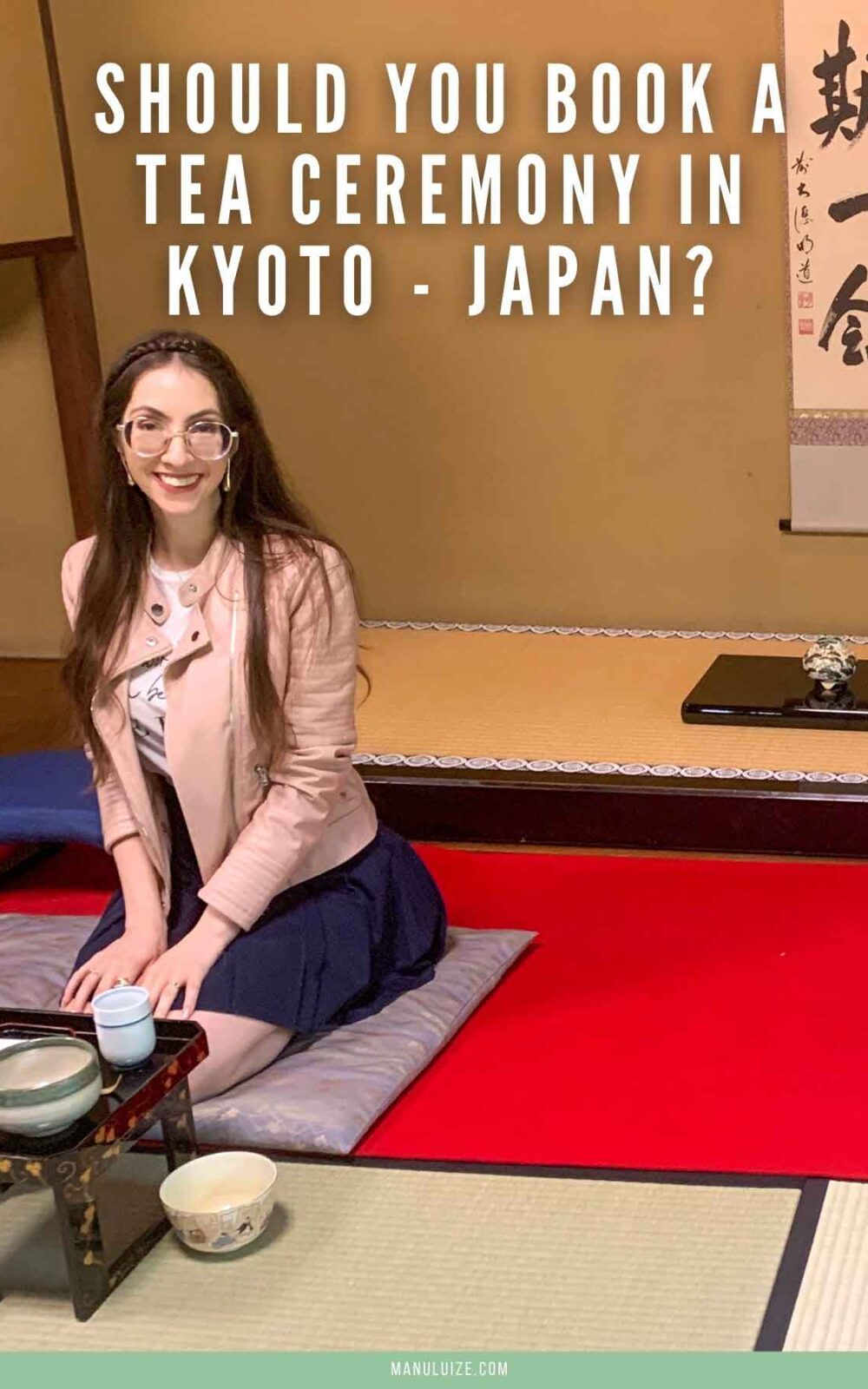
I went to this matcha tea ceremony in Kyoto during my honeymoon, and yes, I know, romantic clichés and all that. But honestly? This experience earned its hype. I love green tea, I adore rituals and getting to know other cultures, so this felt like it was made for me. Ever wondered why a traditional Japanese tea ceremony feels so calming and emotional at the same time?
Let me tell you exactly why this was the best matcha tea ceremony in Kyoto, Japan. IMO, it set the bar very high.
Why Kyoto feels like the right place for a matcha tea ceremony
Kyoto doesn’t try too hard. It doesn’t need to. The city breathes tradition in a very quiet way. When you walk through its streets, especially near Kiyomizu, you feel like time slows down on purpose.
A tea ceremony Kyoto experience belongs here. You don’t just drink tea. You step into centuries of culture. You hear less noise, you notice textures, and you suddenly care about how you sit and breathe. Sounds dramatic? Maybe. But Kyoto does that to people.
This matters because a traditional tea ceremony Japan experience loses magic if the setting feels fake or rushed. Kyoto gets it right without showing off.
First impressions of the Japanese tea house
Walking into the tea house
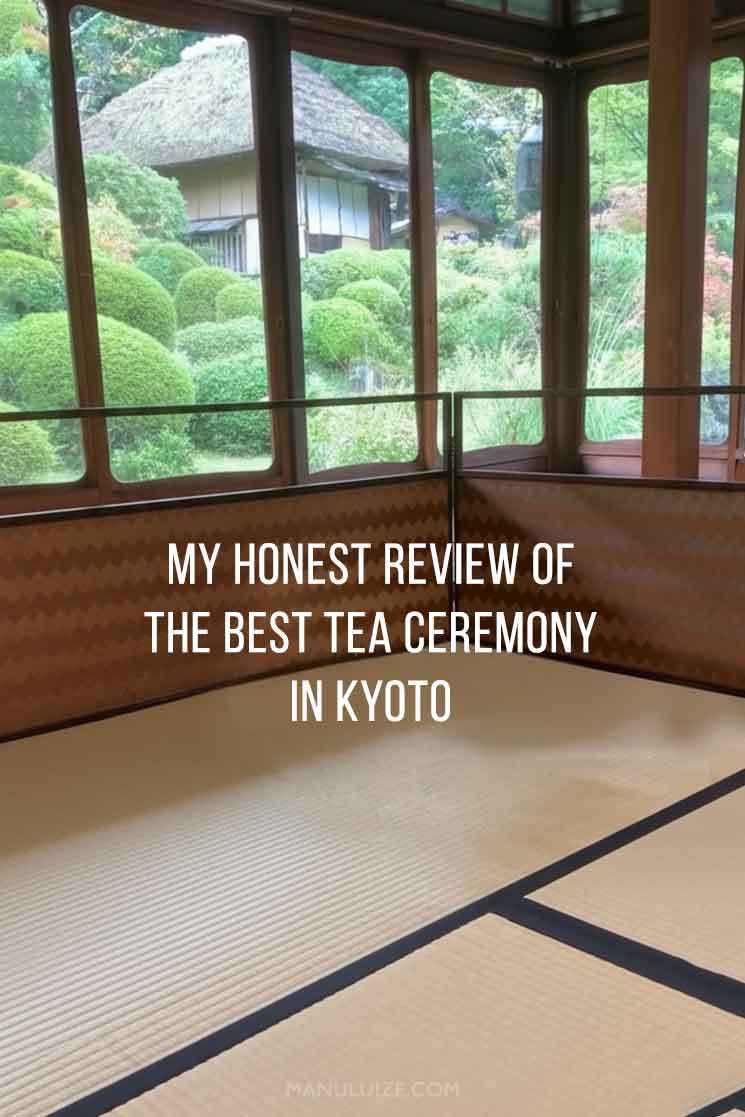
The tea house sits near Kiyomizu in a historic area that already feels special. I remember thinking, okay, this already looks like a movie set, but real. The Japanese tea house feels intimate and peaceful, not staged or touristy.
You remove your shoes, step inside, and immediately feel calmer. The space invites silence in a gentle way. Nobody forces it. You just want to lower your voice.
This is what people mean when they talk about tea ceremony aesthetic. Simple lines, natural light, wood, paper screens, and a garden view that steals your attention without asking for it.
The atmosphere inside the Japanese tea room
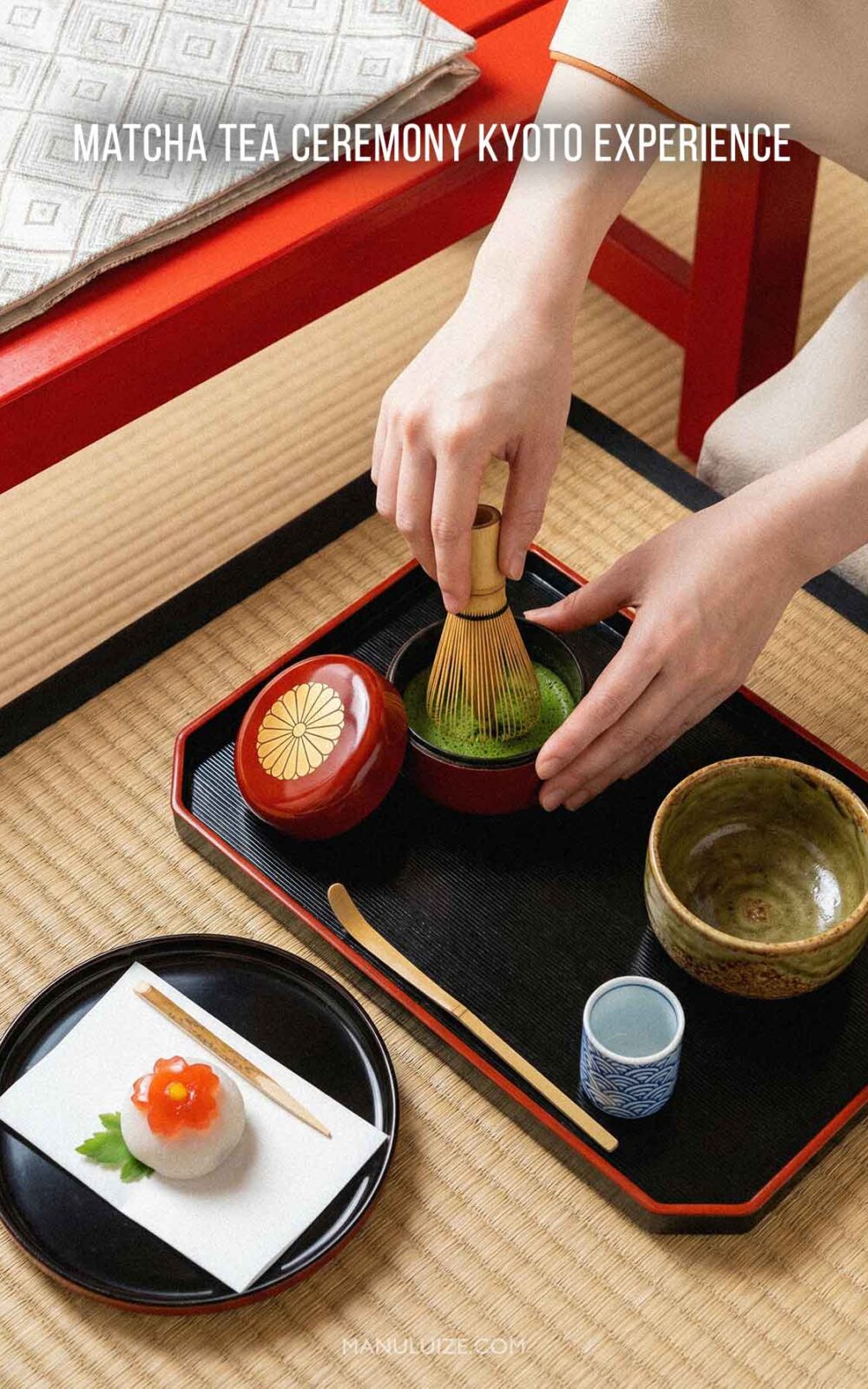
The Japanese tea room balances beauty and humility perfectly. Nothing screams luxury, yet everything feels precious. I loved that contradiction.
You sit close to the floor, which somehow makes you feel grounded. The garden outside adds a strong green tea aesthetic vibe, especially if you love nature inspired calm spaces. Ever noticed how silence can feel comforting instead of awkward?
Understanding the traditional Japanese tea ceremony
What actually happens during the ceremony
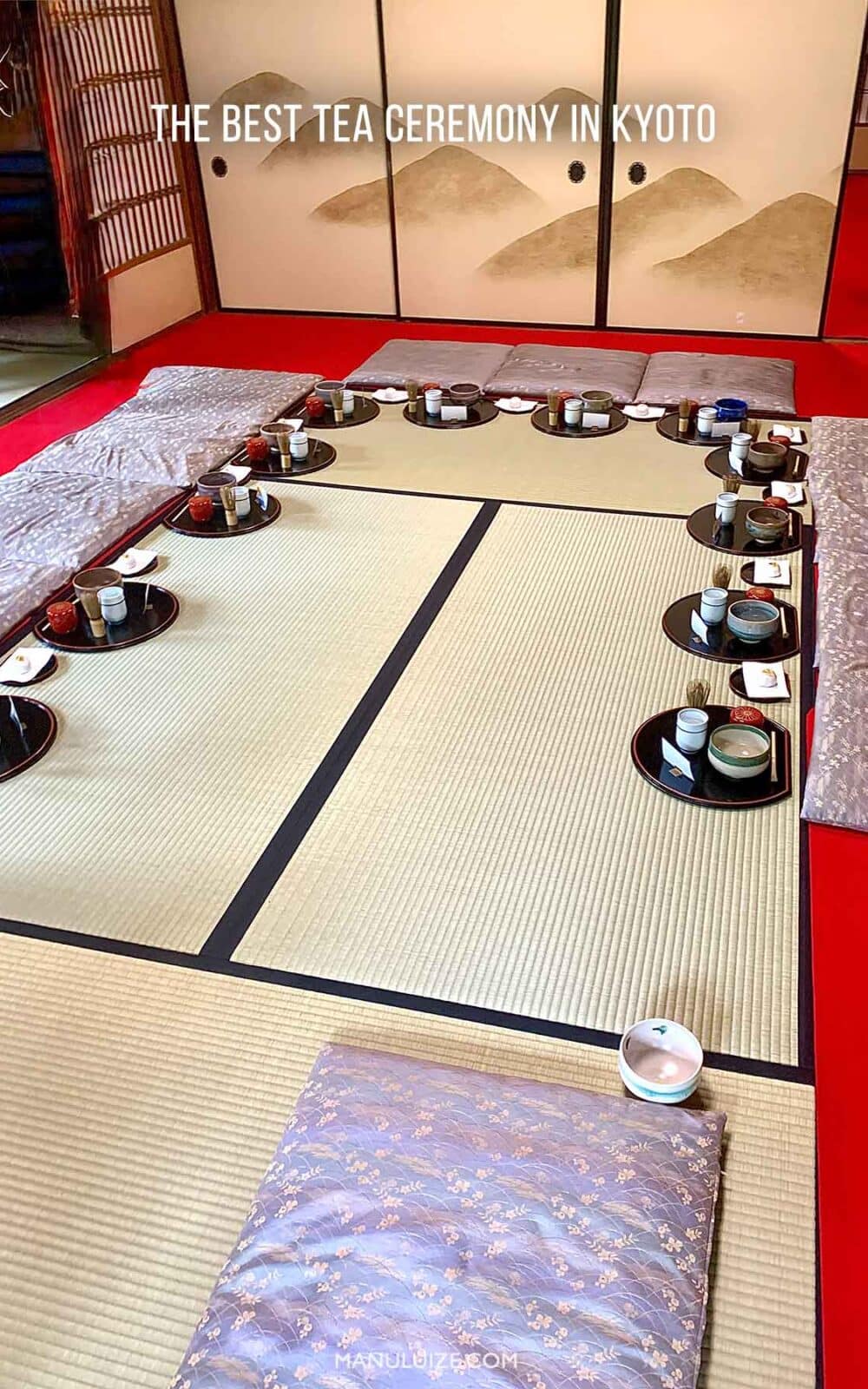
The host explains each step clearly and calmly. You don’t feel lost or overwhelmed. You feel included. This matters a lot if it’s your first Japanese tea ceremony.
You watch the tea master prepare matcha with slow, deliberate movements. Every action has meaning. Every pause exists for a reason. No rush, no pressure.
This isn’t about showing off skills. This is about presence. That mindset alone changed how I experienced the tea.
Why the ritual matters
A traditional Japanese tea ceremony teaches you to appreciate small things. The sound of water. The weight of the bowl. The color of the matcha foam.
FYI, this ritual connects deeply to mindfulness. You stay present because the ceremony asks you to stay present. No phones, no distractions, no mental to do list. Just tea.
Drinking matcha the proper way
The matcha bowl experience
They hand you a matcha bowl that feels warm and imperfect in the best way. Handmade bowls have personality. I swear they do.
You turn the bowl slightly before drinking. That small gesture connects you to tradition instantly. Then you take a sip.
The matcha tastes rich, smooth, and almost not bitter, balanced. If you love matcha, this will make you smile. If you think you hate matcha, this might change your mind. My husband isn’t a big tea fan (especially not an average matcha fan), but even he enjoyed his matcha at the ceremony!
Why does this matcha taste better
This ceremony uses high-quality matcha. The preparation respects the tea. That combination makes a huge difference.
Here’s what stood out to me:
- Vibrant green color that signals quality
- Smooth texture with no chalky aftertaste
- Balanced bitterness that feels intentional
This wasn’t just green tea. This felt like matcha with a personality.
PS: Be sure to buy some good-quality matcha while in Japan. Drinking matcha at home will never be the same after this ceremony, and after Japan, so you will miss it if you don’t buy some there!
• Book it here:
Traditional Japanese sweets
Bonus point for this experience was that it included a traditional Japanese sweet. Sweet but not overpowering. Beautiful but edible. I appreciate that balance in life, so this worked for me.
The pairing shows how thoughtful the traditional tea ceremony Japan experience really is. Nothing feels random.
Learning by doing, not just watching
Making your own matcha
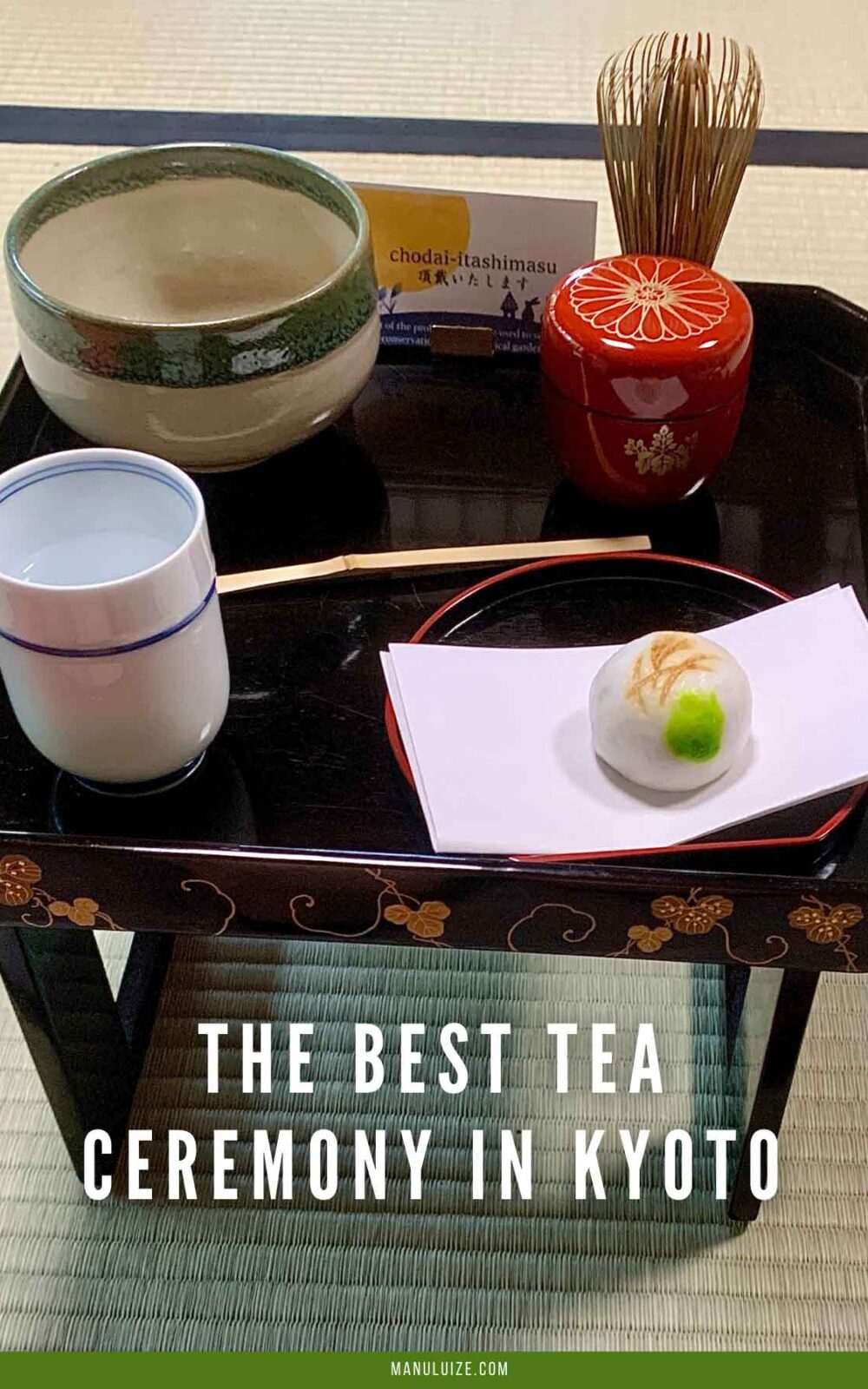
After the demonstration, you prepare your own matcha. This part made me weirdly proud. I whisked with focus, hoping not to mess it up.
The host guides you gently. No judgment. No pressure. Just encouragement.
This hands-on moment transforms the experience from passive to personal. Ever noticed how doing something yourself makes it stick in your memory longer?
Why this matters for tea lovers
If you’re a tea lover, this part feels magical. You don’t just observe tradition. You participate in it.
You leave with more than photos. You leave with knowledge and confidence. And maybe a desire to buy a bamboo whisk later. I did. Yes, I not only shopped for Japanese cosmetics, but also for Japanese tea. 😉
The tea ceremony aesthetic and visual beauty
Let’s talk visuals because wow.
The garden view, the utensils, the bowls, and the calm movements create a strong tea ceremony aesthetic. If you love minimalist beauty or slow living vibes, this will hit hard.
This experience feels Instagram-worthy without feeling staged. That balance matters. You enjoy the moment first, then maybe take photos.
The green tea aesthetic shines through every detail. Nature, texture, and calm coexist naturally here.
Practical details you should know
What to expect
Here’s a quick breakdown so you feel prepared:
- Duration around 45 minutes
- Small group setting for intimacy
- English speaking instructor
- Traditional Japanese tea house near Kiyomizu
Everything runs smoothly. You don’t feel rushed or confused.
Who this is perfect for
This experience works well if you:
- Love matcha or want to understand it better
- Appreciate cultural rituals
- Enjoy calm, aesthetic environments
- Want something meaningful in Kyoto
If you hate sitting quietly for short periods, this might not be your thing. Be honest with yourself.
How this compares to other tea ceremonies
I researched a lot before booking. Some ceremonies feel too touristy. Others feel too rigid.
This one balances authenticity and accessibility perfectly. It respects tradition without making you feel out of place.
Compared to larger group experiences, this felt more personal. Compared to ultra-formal ceremonies, this felt welcoming.
That balance explains why I confidently call this the best matcha tea ceremony in Kyoto, Japan.
Why this Japanese tea house stands out
The Japanese tea house itself plays a big role. The setting feels lived in, not staged.
You don’t feel like you walked into a museum. You feel like you entered a space that still breathes tradition daily.
That authenticity elevates the entire experience, and the matcha was really great!
Final thoughts from a matcha-obsessed traveler
This wasn’t just a tea break. This was a cultural moment that stayed with me long after the last sip.
The combination of setting, ritual, taste, and atmosphere created something special. I didn’t just learn about matcha. I felt connected to it.
If you love tea, culture, or meaningful experiences, put this on your Kyoto list. Seriously.
Would I do it again? Absolutely. Would I recommend it to friends? Already did 🙂
Sometimes, a simple bowl of tea really does change how you see things. And in Kyoto, that feels exactly right.