



A clean yard takes regular effort, especially during fall and after lawn maintenance. Fallen leaves, loose grass, dust, and small branches can quickly cover outdoor spaces. A gas leaf blower helps move this debris without relying on a rake or broom for every task.
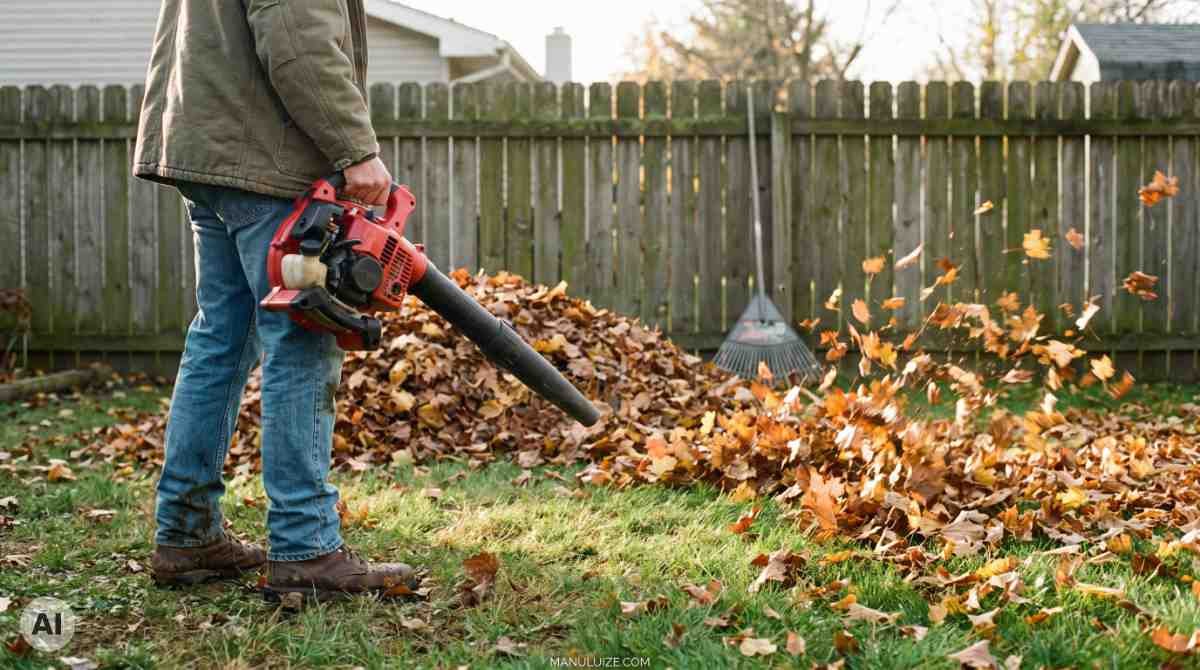
These machines use powerful airflow to push loose materials across lawns, driveways, patios, and other outdoor surfaces. Their portability also makes them useful in areas where access to electrical outlets is limited. Understanding their common uses helps homeowners choose the right cleaning method for different outdoor conditions.
A gas operated leaf blower can handle more than fallen leaves. It can also clear grass clippings, remove light debris from walkways, and help maintain outdoor work areas. However, the right technique and airflow setting make a difference in the results.
Clearing Fallen Leaves From Lawns and Gardens
Fallen leaves are one of the most common reasons people use a gas leaf blower. During autumn, trees can cover lawns, garden beds, and walkways with thick layers of leaves. Moving them into manageable piles makes collection easier and reduces the time spent using a rake.
Start by working from the outer edges of the lawn toward a central collection point. Use steady airflow instead of directing the nozzle randomly across the ground. This approach helps prevent leaves from scattering into areas that have already been cleaned.
Wet leaves can be harder to move because they stick together and cling to grass. Allowing them to dry before blowing can improve results. For thick piles, work in smaller sections rather than trying to move everything at once.
Removing Grass Clippings After Mowing
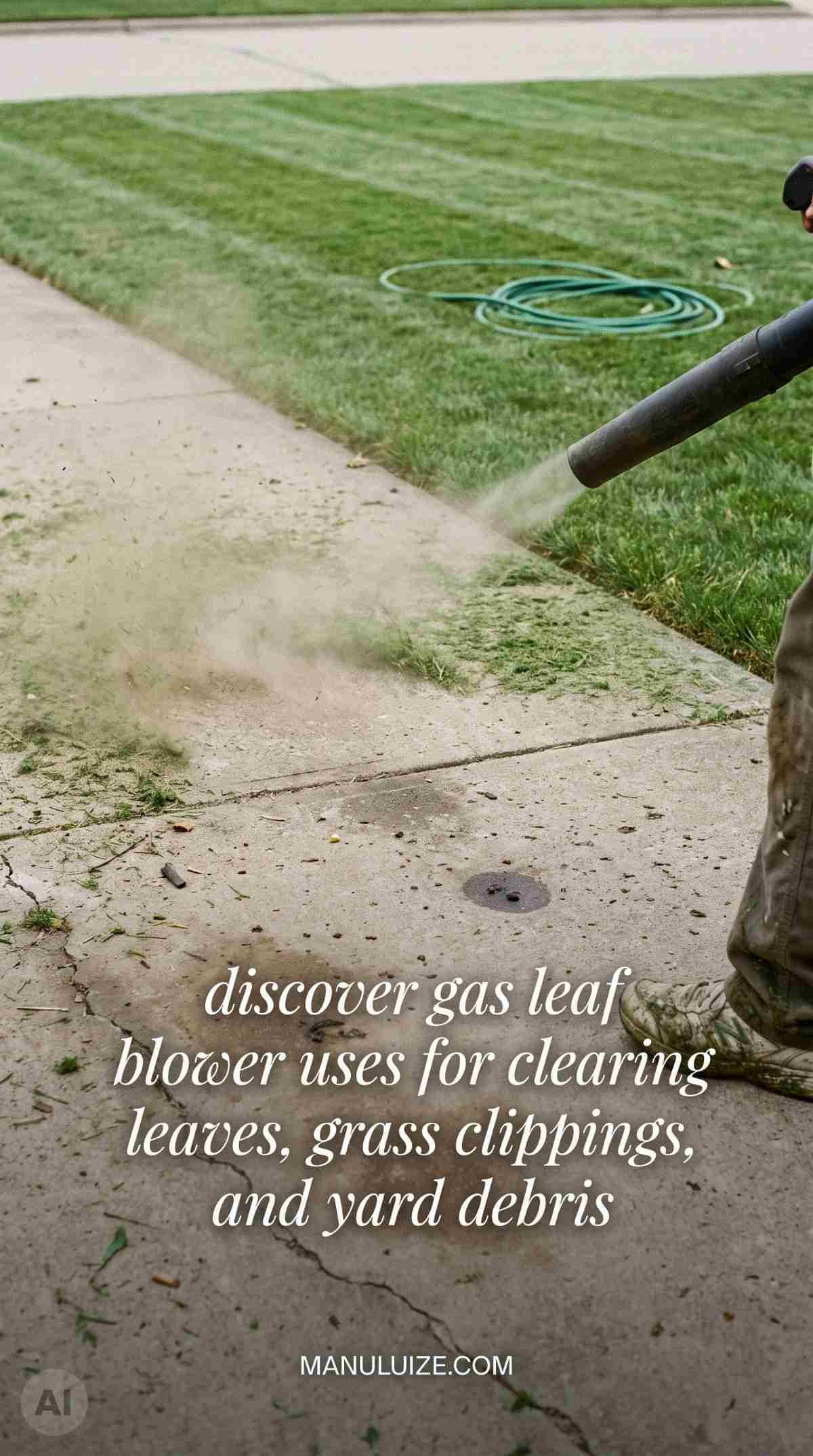
Freshly cut grass often collects along lawn edges, sidewalks, and driveways. These clippings can make a recently mowed yard look untidy. A gas operated leaf blower helps move loose grass away from hard surfaces and toward a collection area.
After mowing, direct the airflow along the edges of the lawn. Push the clippings toward the grass rather than blowing them onto roads or neighboring properties. This keeps outdoor surfaces cleaner and reduces unnecessary cleanup.
Grass clippings can also collect around garden borders and outdoor furniture. Use controlled airflow to remove them without disturbing plants or spreading debris into nearby spaces. Avoid blowing large amounts of clippings into drains, as they can contribute to blockages.
Cleaning Driveways, Sidewalks, and Pathways
Driveways and pathways collect dust, dry leaves, small twigs, and other loose materials. Sweeping large outdoor areas can take considerable time, especially when debris gathers in corners. A gas leaf blower offers a practical way to move loose debris toward one collection point.
Begin at the highest or farthest section of the surface. Work toward the driveway entrance or another suitable collection area. Keep the nozzle close enough to direct airflow without striking the ground.
For narrow walkways, use shorter movements to avoid pushing debris into flower beds or onto nearby lawns. A lower airflow setting can also help control dust. This method works well for routine maintenance between deeper outdoor cleanups.
Clearing Dust and Debris From Patios and Decks
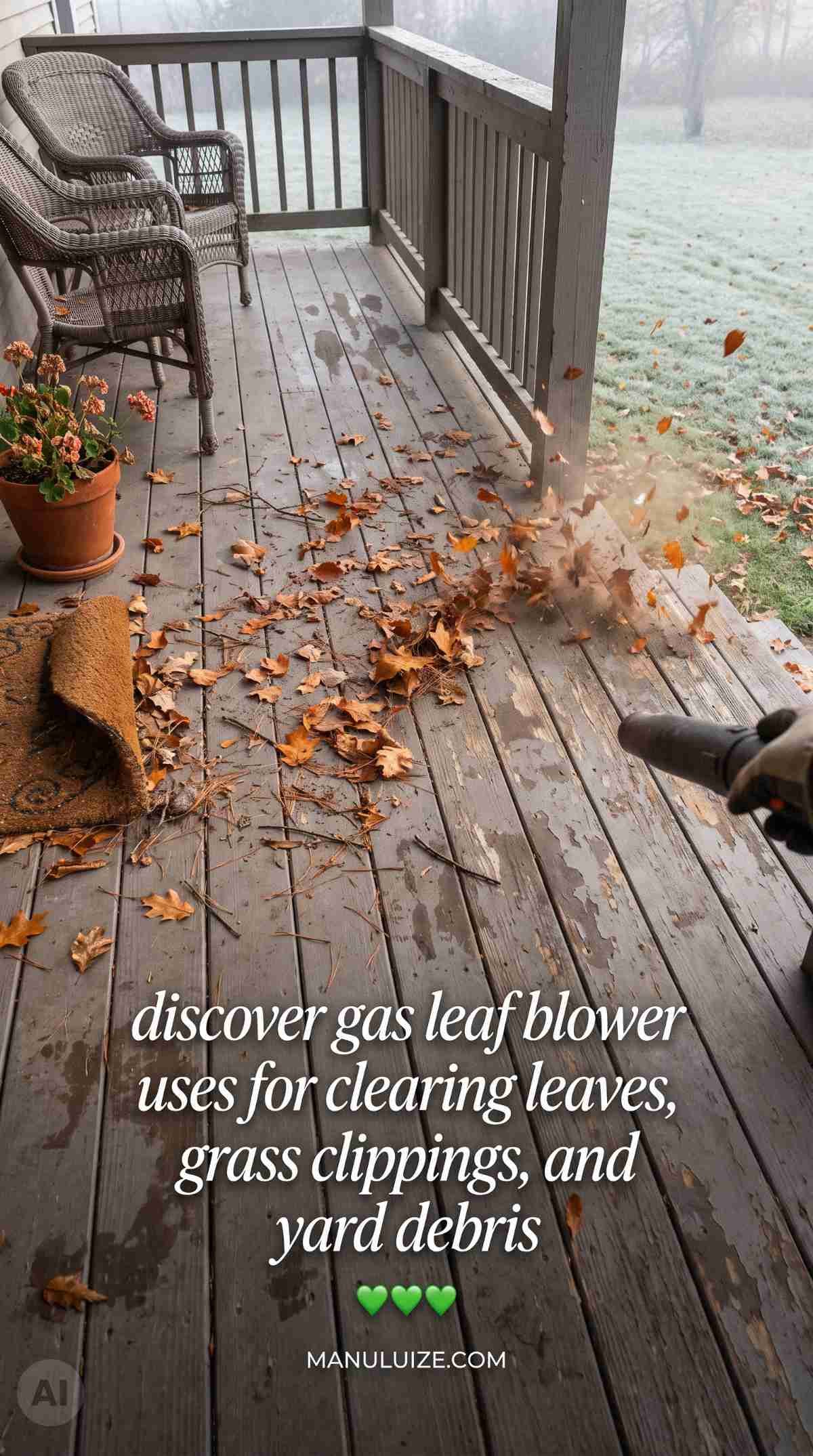
Patios and decks collect dry leaves, dust, pollen, and small pieces of debris throughout the year. These materials can gather between deck boards, around furniture legs, and along outdoor walls. A gas leaf blower helps remove loose dirt from these areas without moving every piece of furniture.
Move chairs and tables when necessary to expose hidden corners. Use moderate airflow to push debris away from the house and toward an open collection area. For wooden decks, avoid directing a strong air stream at loose finishes or delicate surfaces.
A blower can also help clear dry debris from outdoor steps. Check the surrounding area before starting because airflow can send dust toward doors, windows, or people nearby.
Removing Light Snow From Outdoor Surfaces
A gas operated leaf blower can help remove a thin layer of light, powdery snow from certain outdoor surfaces. This can be useful for clearing steps, walkways, patio furniture, and vehicle windshields. The method works best when snow is dry and has not formed a compacted layer.
Start with a low airflow setting and make short, controlled passes. Avoid using a blower on wet, heavy snow because it can be difficult to move. Ice and packed snow also require different removal methods.
Always consider the surface before using a blower in winter. Wet conditions can create slippery areas, while cold weather may affect engine starting and operation. Follow the manufacturer’s instructions for cold-weather use.
Cleaning Around Trees, Fences, and Garden Edges
Leaves and small debris often settle around tree trunks, fences, and garden borders. These areas can be difficult to clean with a mower or a wide outdoor broom. A gas leaf blower provides targeted airflow for reaching narrow spaces.
Use gentle movements when working near flowers, shrubs, and young plants. Strong airflow can scatter mulch, disturb loose soil, or damage delicate leaves. Direct debris toward open ground rather than pushing it deeper into planted areas.
For fence lines, work along the base and move debris away from corners. Check for stones, dry branches, and other objects that could become airborne. This simple approach helps keep landscaping edges tidy without disturbing the entire garden.
Clearing Garage Entrances and Outdoor Work Areas
Garages, sheds, and outdoor workspaces often collect sawdust, dry leaves, and small pieces of dirt. A gas operated leaf blower can move loose debris toward an accessible cleaning point. It is particularly useful around open garage entrances, outdoor storage areas, and workshop thresholds.
Remove larger objects by hand before using the blower. Keep the airflow directed away from stored equipment, vehicles, and open containers. This reduces the risk of spreading dust or pushing debris into areas that are difficult to clean.
Avoid using a leaf blower inside an enclosed garage or workshop. Engine exhaust can build up in poorly ventilated spaces. For indoor cleaning, choose a suitable vacuum or another tool designed for enclosed environments.
Moving Small Twigs and Light Yard Debris
Small twigs, dry seed pods, and scattered plant material can make a yard look untidy. A gas leaf blower can move these materials along with ordinary leaves. This is useful after windy weather or routine garden maintenance.
However, not every type of debris responds well to airflow. Large branches, stones, and heavy objects should be collected manually. Trying to move them with excessive force can create safety hazards.
Separate heavier debris before starting the blower. Then clear the remaining loose materials in sections. This keeps the work controlled and prevents unnecessary strain on the machine.
Choosing the Right Airflow for Different Tasks
Not every outdoor cleaning job requires maximum power. A gas leaf blower with adjustable airflow gives users better control over different materials and surfaces. Lower settings work well for dry grass clippings, dust, and light leaves.
Higher airflow can help move thicker piles of dry leaves and scattered twigs. However, excessive force may scatter debris instead of gathering it. It can also disturb mulch, damage delicate plants, or send small stones flying.
Two useful measurements are CFM and MPH. CFM describes the volume of air the machine moves, while MPH measures airspeed. Both figures help explain how a blower performs across different cleanup tasks.
How to Use a Gas Leaf Blower Effectively
Good technique makes outdoor cleanup easier and helps prevent unnecessary mess. Before starting, inspect the area and remove objects that could become airborne. Wear eye protection, hearing protection, sturdy footwear, and other recommended safety equipment.
Follow these practical steps for better results:
- Plan your direction: Choose a collection point before moving debris.
- Work in sections: Divide large lawns and driveways into smaller areas.
- Keep the nozzle low: Direct airflow toward the ground to maintain control.
- Adjust the throttle: Use only the airflow needed for each surface.
- Check the surroundings: Keep people and pets away from the working area.
- Collect the debris: Gather the leaves and clippings instead of simply moving them elsewhere.
Always follow the manufacturer’s starting, fueling, and maintenance instructions. Never operate a gas-powered machine in an enclosed space.
When a Gas Leaf Blower May Not Be Suitable
Although gas-powered blowers handle many outdoor tasks, they aren’t ideal for every situation. Their engine noise may disturb neighbors, particularly in residential areas. Some communities also have restrictions on when or where these machines can operate.
A gas leaf blower also produces exhaust and requires routine engine maintenance. Users must manage fuel safely and check the machine before each session. Battery-powered or corded alternatives may suit smaller properties or noise-sensitive environments.
Wet leaves, heavy snow, and thick layers of compacted debris can also present challenges. A rake, shovel, broom, or suitable outdoor vacuum may work better for these conditions. Choosing the right tool helps prevent wasted effort and unnecessary equipment wear.
FAQs
What can you clean with a gas leaf blower?
You can clear fallen leaves, dry grass clippings, dust, small twigs, and other loose debris from lawns, driveways, patios, and walkways.
Can a gas operated leaf blower remove wet leaves?
It can move some damp leaves, but wet, heavy piles are harder to clear. Letting leaves dry or using a rake can make cleanup easier.
Can you use a gas leaf blower to clean a driveway?
Yes. It can move dry leaves, grass clippings, and loose dirt from driveways. Use controlled airflow to avoid scattering dust and small stones.
Is a gas leaf blower useful during winter?
Yes. It can clear light, dry snow from suitable outdoor surfaces. It isn’t designed to remove packed snow, ice, or heavy, wet snow.
How do you prevent a leaf blower from scattering debris?
Use a lower throttle setting, keep the nozzle close to the ground, and direct debris toward a single collection point. Work in smaller sections for better control.