


Most of us end up with jewelry collections built by accident—an impulse buy here, a gift there—until the drawer is overflowing with pieces that never quite go together. A more intentional approach starts by understanding the categories most people actually reach for day to day: earrings, necklaces, rings, and bracelets. Building a timeless everyday jewelry collection isn’t about accumulating more; it’s about choosing pieces that fit your life, hold up to regular wear, and genuinely feel like you. This guide covers practical steps for selecting, caring for, and evolving a jewelry wardrobe that works over the long haul, whatever your budget or aesthetic.
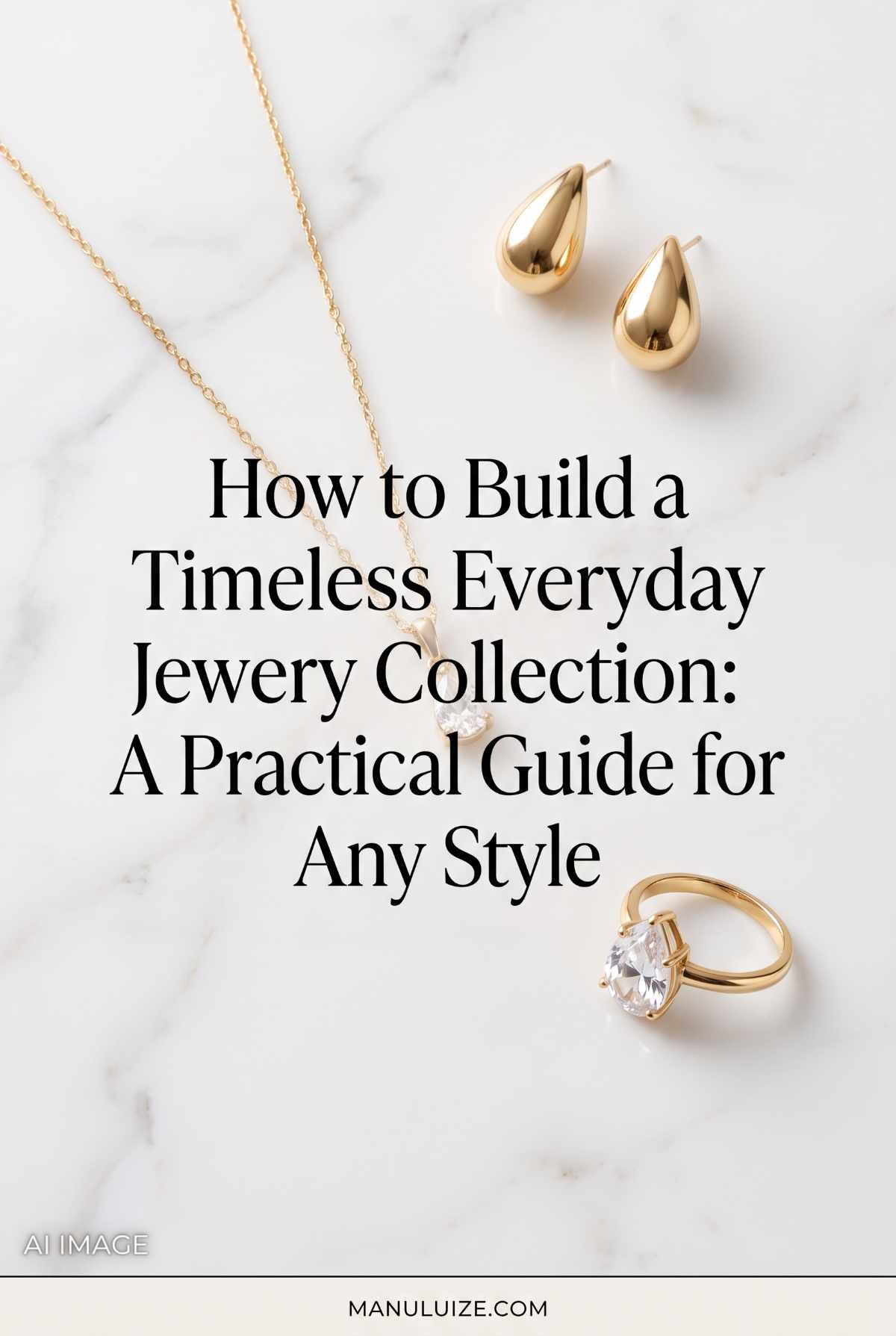
Key takeaway: A thoughtful jewelry collection simplifies your daily choices while staying functional and personal.
Understanding Your Personal Style and Lifestyle
Before buying anything new, think about your daily routine—desk work, physical activity, caregiving—and how jewelry fits into it. Someone typing all day might find bangles more annoying than charming, while a nurse may skip dangling earrings entirely. Ask yourself:
- What do you actually reach for most mornings?
- What ends up snagging on clothing or causing irritation?
- How formal or casual do your days tend to be?
Take a look at what you already own and notice the patterns—metal tone, scale, shape. Settling on one or two core aesthetics, whether that’s minimalist gold, mixed metals, or delicate silver, makes future decisions easier and cuts down on impulsive buys that never quite fit in.
The Core Categories of an Everyday Jewelry Collection
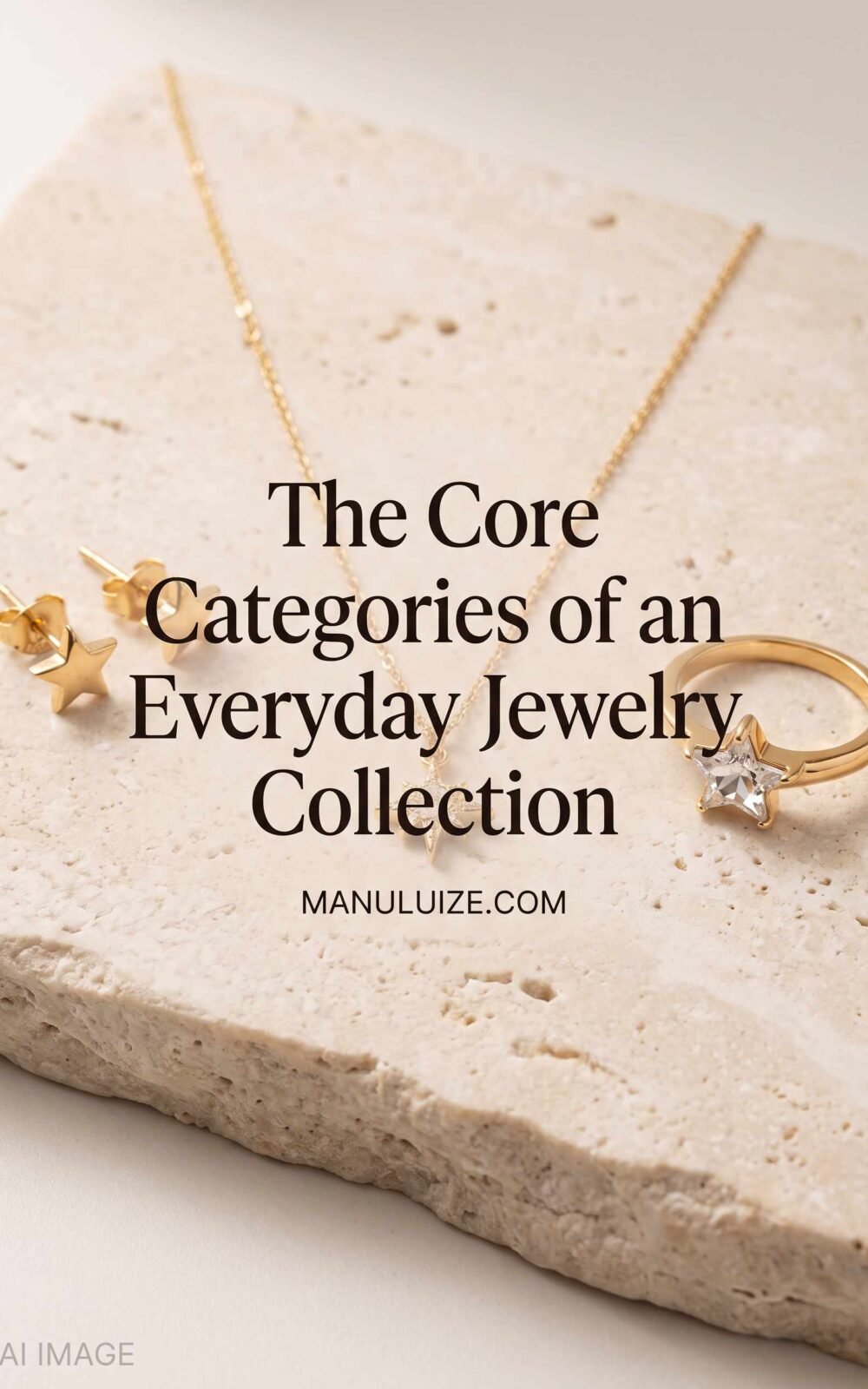
Most collections draw from four categories: earrings, necklaces, rings, and bracelets. That doesn’t mean everyone needs equal amounts of each. One useful idea is the jewelry capsule—a small, deliberate set of pieces built for mixing and matching. A reasonable starting point might look something like:
- One or two everyday earrings
- One or two simple necklaces
- One to three rings
- One or two bracelets
Think of these numbers as a guideline, not a rulebook. Some people naturally gravitate toward rings; others prefer stacking bracelets. The point is to narrow things down enough that getting dressed doesn’t become a daily negotiation.
Choosing Materials and Craftsmanship for Longevity
The materials you choose affect both how long a piece lasts and how comfortable it is to wear. Solid gold, gold-filled, and gold-plated pieces vary quite a bit in durability and price, while sterling silver is more affordable but prone to tarnishing. If you want something low-maintenance for daily wear, stainless steel and titanium are worth considering. Bracelets in particular take a beating from desks and clothing, so sturdier materials tend to serve them well.
Skin sensitivity is another factor to weigh. Nickel allergies are fairly common, so looking for hypoallergenic materials can help—though it’s worth knowing that label isn’t an ironclad guarantee. A short test period before wearing a new piece daily is a smart, low-effort precaution.
Planning a Versatile Mix: Layering and Combining Pieces
Layering works best when it’s done with a light hand. Mixing necklace lengths or stacking a few slim rings adds visual interest, as long as everything else stays relatively simple. This is really the essence of what people call a jewelry uniform—a go-to combination you wear on most days without overthinking it. You might even develop a few variations: one for casual days, one for the office, one for dressier occasions—swapping out bracelets, for instance, when you need your hands free.
Caring for Your Everyday Jewelry So It Lasts
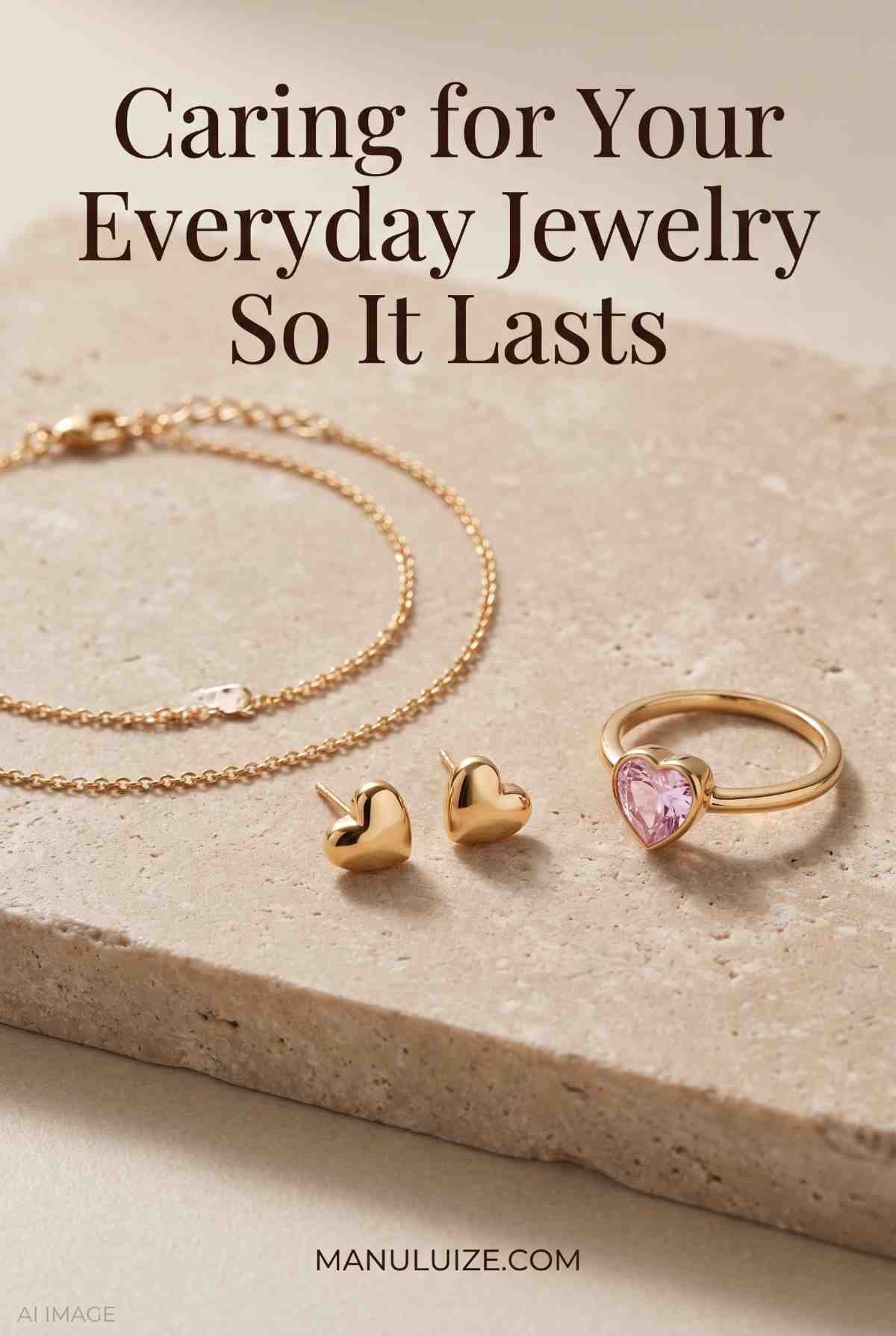
A few simple habits go a long way toward extending the life of your collection. Put on lotion and perfume before jewelry, not after, and take pieces off before swimming or doing anything physically demanding. Gentle cleaning with mild soap and water works for most metals—skip the abrasives and definitely skip the toothpaste. Proper storage matters more than people realize: separate compartments, clasped chains, and flat-laid bracelets all help prevent tangling and scratching. And if a stone comes loose or a clasp breaks, it’s usually better to bring it to a professional jeweler than to attempt a fix yourself.
Adding Meaning and Personal Story to Your Collection
Alongside the practical, everyday pieces, most collections include things with sentimental value—gifts, heirlooms, milestone jewelry. Some of those, especially fragile heirlooms, are better saved for special occasions rather than everyday wear. It’s also worth periodically going through your collection and noticing what you actually wear versus what’s just taking up space. That kind of check-in keeps things evolving naturally instead of piling up.
Bringing It All Together
A collection that lasts comes down to a few things: understanding your lifestyle, choosing durable core pieces, building simple care habits, and letting the collection change thoughtfully over time. Instead of chasing quantity, aim for consistency, comfort, and meaning. A good place to start is simply reviewing what you already own and figuring out your personal jewelry uniform—a small step, but one that moves you toward a collection that actually works for you.