


Sometimes places align in memory not because they are similar, but because you visited them in motion. A hill above a river. A pale façade behind iron gates. Lines of vine stretching toward a horizon that does not feel hurried.
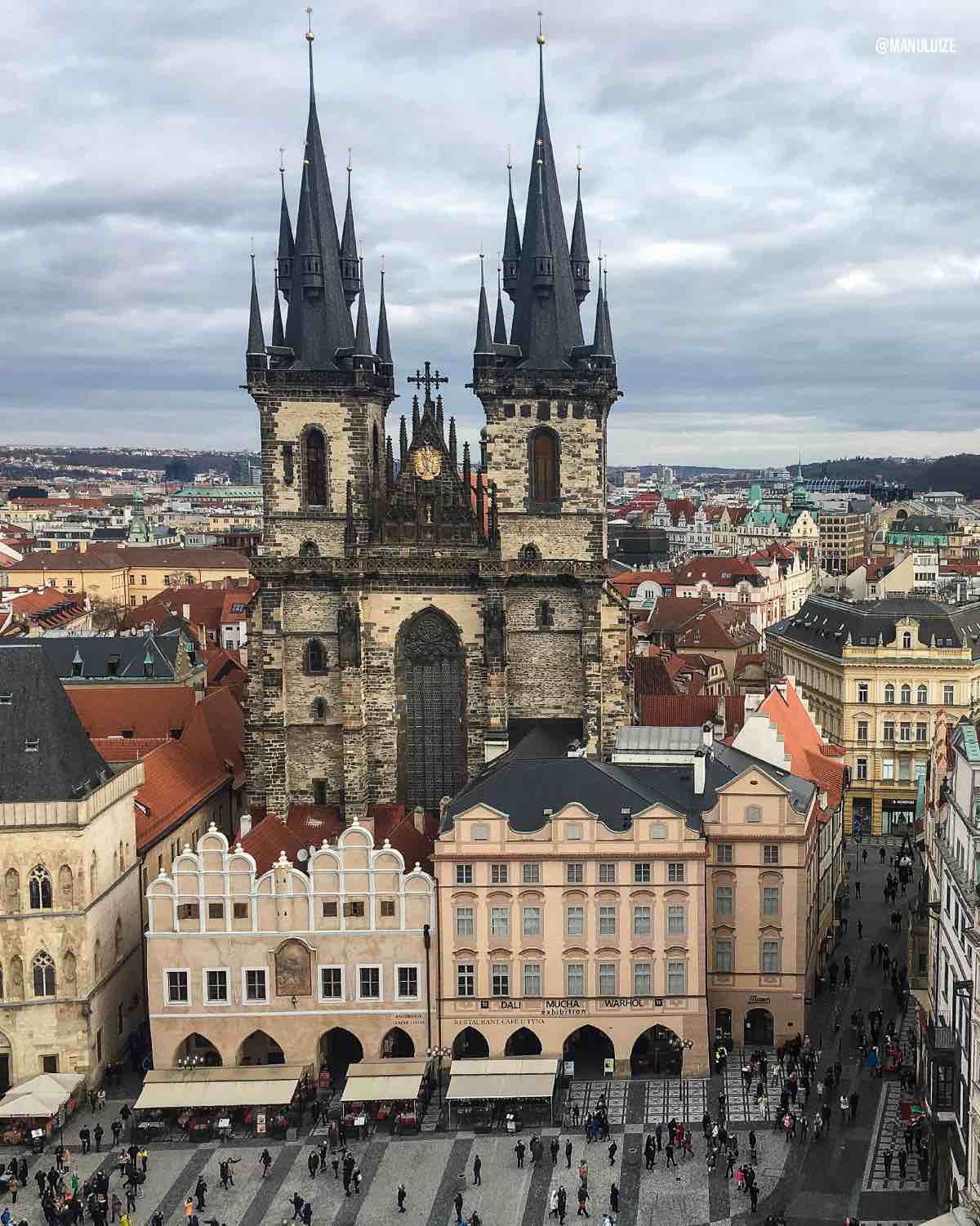
Prague comes first, though not in a dramatic way. You climb without fully noticing the incline. The cobblestones feel uneven beneath your shoes. The castle gathers gradually along the ridge, its roofs and towers overlapping rather than announcing themselves individually.
From above, the Vltava bends in a quiet arc. The city appears contained, almost folded in on itself.
Where Stone Gives Way
Later, seated on the train from Prague to Vienna, the hill flattens into countryside. The skyline dissolves into field. You watch church spires appear and vanish, their presence brief and unceremonious. The carriage hum becomes the constant element.
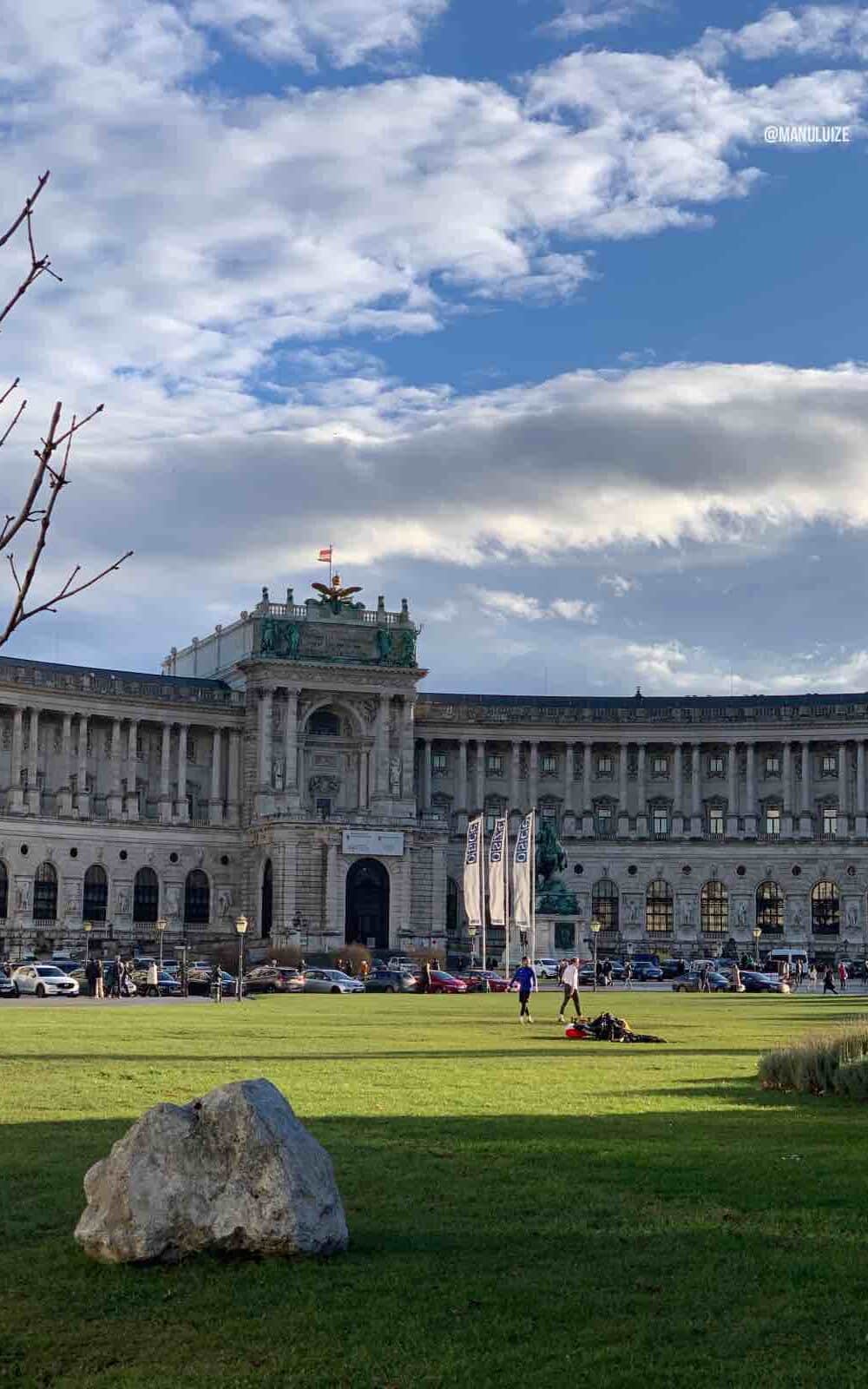
Vienna does not rise; it spreads. Schönbrunn sits low against the sky, its yellow façade stretching outward rather than upward. The colour shifts slightly depending on the hour — brighter in midday, muted under cloud.
The gardens are measured without feeling stiff. Paths extend in straight lines, yet trees soften their edges. Gravel sounds different underfoot than cobblestone did earlier in Prague.
There is less sense of elevation here. More openness. Statues stand within hedged borders, not at the edge of cliffs.
Nothing in Vienna feels abrupt after Prague. The shift happens in tone, not tempo.
A Long Westward Drift
Further west, the land seems to relax even more. Vineyards appear in rows that repeat without insistence. The symmetry echoes palace gardens faintly, though the materials are softer — leaves instead of plaster, wooden posts instead of stone columns.
Securing Paris to Bordeaux train tickets turns distance into something measured in hours. The train slides through farmland where colour deepens and light widens. There is no sudden announcement of arrival in wine country. The vines simply begin and continue.
Small houses sit between the rows. The horizon remains open. Wind moves across leaves in a low, even rhythm.
The Feeling Between
What lingers from this sequence is not contrast but adjustment. Prague’s clustered roofs. Vienna’s controlled façade. Bordeaux’s cultivated fields. Each feels grounded in its own proportion.
From the window, rivers appear briefly and disappear again. Forest lines break into farmland. Stations interrupt the countryside only momentarily.
Inside the carriage, nothing insists on difference. Seats align the same way. Overhead racks hold bags with equal indifference to geography.
When the Day Lowers
As evening moves in, the castle ridge darkens first, becoming outline rather than detail. In Vienna, the palace loses brightness gradually, its colour cooling. In Bordeaux, shadows lengthen between vine rows until the pattern becomes less distinct.
Later, recalling the journey, the images overlap gently. A tower aligns with a garden path. A vine row echoes a palace axis. The distinctions remain, yet they do not compete.
The castle remains above its river. The palace rests behind its gates. The vineyards continue in quiet repetition.
Nothing concludes neatly. The movement from ridge to terrace to field feels less like progression and more like variation — stone, plaster, leaf — carried forward beneath the same shifting sky.
Where the Window Becomes the Frame
There is a moment, somewhere between stations, when the window stops feeling like glass and starts feeling like a frame. The landscape arranges itself without asking. A line of trees stands briefly against open sky. A farmhouse appears at the edge of a field and disappears again. The castle you left hours ago no longer feels distant; it feels flattened into image, no heavier than the vines now running beside the tracks. Movement gathers these places into a single visual thread. The carriage does not change. The view does. And with each passing kilometre, stone and soil begin to occupy the same quiet space in memory.
The Weight of Repetition
What connects ridge, palace, and vineyard is not grandeur but repetition. Stone laid upon stone. Windows aligned in sequence. Vines trained along wires in steady intervals. None of it feels hurried. Even the train seems to follow this principle — track running parallel to track, sleepers placed at equal distance, motion repeating without spectacle. There is comfort in that rhythm. It does not demand attention; it settles into the background. Over time, the distinct shapes of each place soften, leaving behind pattern rather than monument.
After the Journey Folds
Later still, when the travel has ended and the map is folded away, what remains are textures rather than timelines. The uneven feel of cobblestone underfoot. The soft crunch of gravel in palace gardens. The faint scent of earth between vine rows as evening cools the air. Prague, Vienna, Bordeaux — the names separate them, but recollection blends them gently. The ridge does not compete with the terrace. The terrace does not overshadow the field. They exist in sequence, then in overlap, then in something quieter — a continuous stretch of Europe seen through glass, carried forward without needing to be resolved.