



Two Shores, Two Ways of Seeing
A journey from Australia’s southeastern coast to Morocco’s Atlantic cities crosses more than continents. It moves between cultures shaped by vastly different climates, histories and traditions, yet both destinations share a strong relationship with movement, trade and the sea.
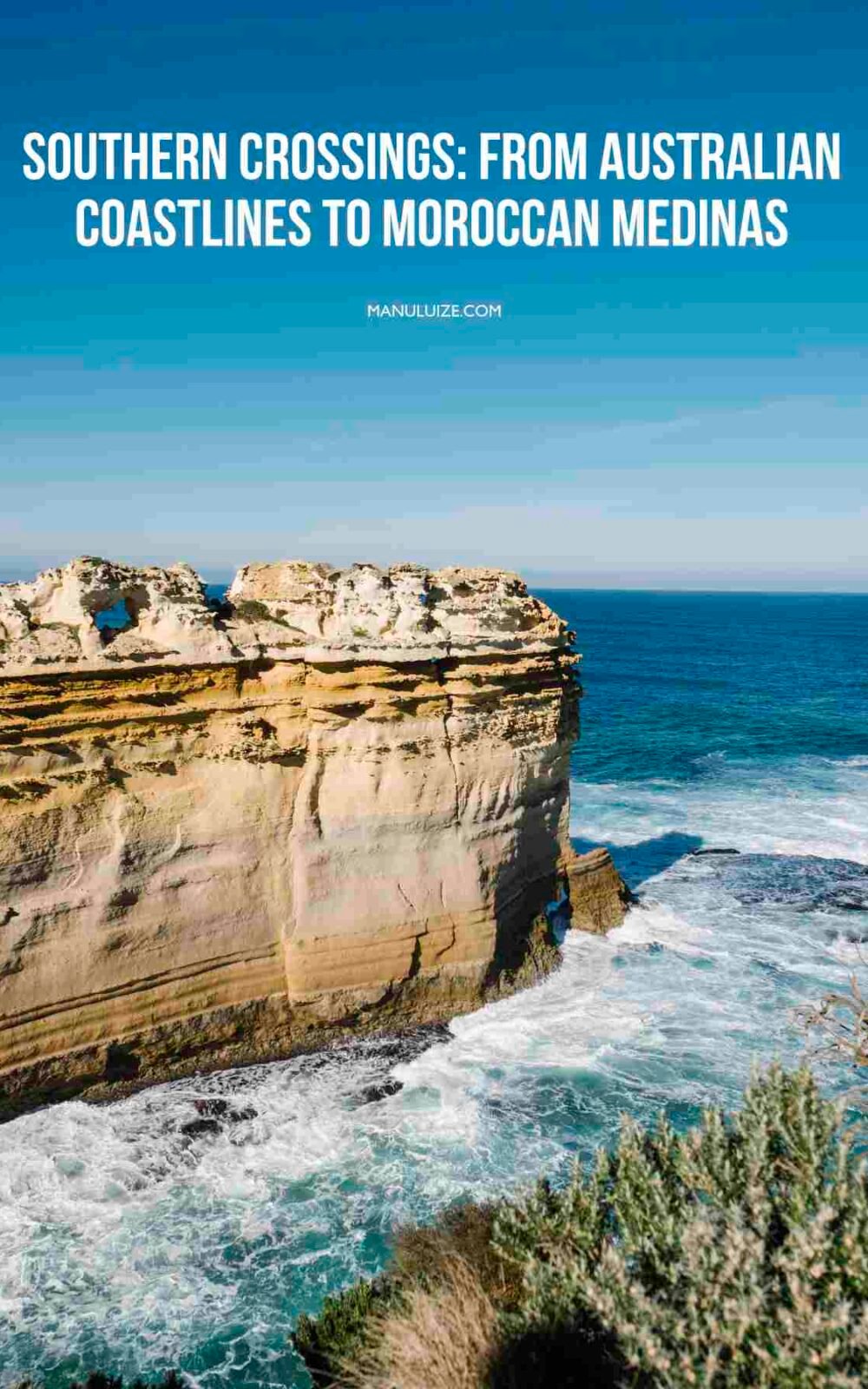
Sydney and Melbourne offer two contrasting interpretations of Australian urban life, while Morocco’s cities introduce a world of tiled courtyards, market streets and centuries-old trading routes. Linking these places in one travel story creates an itinerary of dramatic changes, from oceanfront promenades and eucalyptus-covered landscapes to the ochre walls of North African cities.
Sydney Starts at the Water
Sydney’s relationship with the Pacific is impossible to miss. The harbour cuts deep into the city, creating a succession of bays, headlands and waterfront neighbourhoods rather than a single conventional coastline.
The Opera House and Harbour Bridge provide the familiar landmarks, but some of the city’s pleasures come from following the shoreline beyond the central waterfront. The walk from Bondi to Coogee passes beaches, cliffs, rock pools and grassy headlands, offering a succession of views without requiring a long journey away from the city.
Circular Quay feels more urban, with ferries constantly crossing the harbour. Taking one towards Manly provides an inexpensive way to see Sydney from the water, with the skyline gradually receding behind you.
The Southern Journey to Melbourne
The Sydney to Melbourne train offers an alternative to flying between Australia’s two major southeastern cities. The journey crosses a broad stretch of New South Wales and Victoria, passing through countryside that feels increasingly removed from the coastal bustle of Sydney.
The route is particularly interesting for travellers who want to see Australia’s less polished landscapes. Farmland, wooded areas and small regional communities appear along the way, providing glimpses of a country far larger than its coastal capitals suggest.
Melbourne eventually emerges with a markedly different personality. Its streets are more closely associated with laneways, cafés, galleries and a strong creative culture, creating an urban atmosphere that contrasts with Sydney’s emphasis on harbour and beaches.
Melbourne’s Laneway Culture
Melbourne rewards wandering without a fixed route. Narrow laneways cut between larger streets, often revealing murals, independent shops, tiny bars and restaurants occupying spaces that would be easy to overlook.
Hosier Lane is the most famous example, but the city’s street art extends throughout the central districts. Coffee is another defining feature, with independent cafés taking their craft seriously and creating a strong ritual around the morning cup.
The city’s architecture adds another layer. Victorian buildings, Art Deco landmarks and contemporary towers frequently stand within the same few blocks, producing an eclectic skyline.
Along Victoria’s Wild Coast
Melbourne also provides access to some of Australia’s most celebrated coastal scenery. The Great Ocean Road winds west from the city through seaside towns, rainforest and dramatic stretches of limestone coastline.
The Twelve Apostles are the best-known landmark, but the journey towards them is as significant as the rock formations themselves. Cliffs drop towards the Southern Ocean, surf breaks against secluded beaches and stretches of forest create sudden changes in scenery.
For a more local experience, the Mornington Peninsula offers vineyards, beaches and walking trails within easier reach of Melbourne. Its combination of countryside and coastline makes it a popular escape from the city.
Crossing Into Morocco
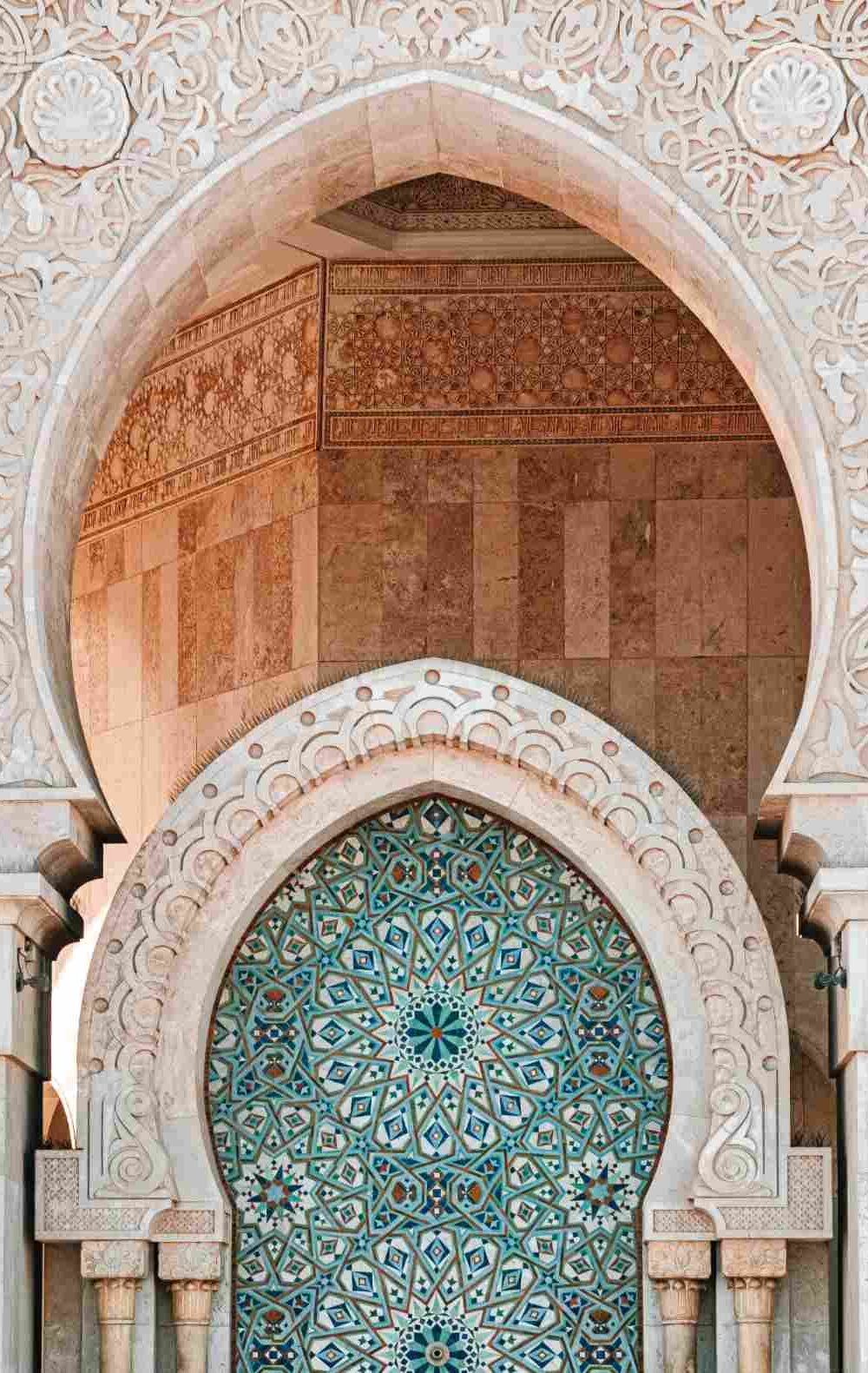
Morocco brings an entirely different visual language. Whitewashed coastal towns, red-earth walls, geometric tilework and densely packed medinas replace the spacious roads and open beaches of southeastern Australia.
Casablanca is an intriguing introduction because it combines modern Morocco with traces of its colonial past. The Hassan II Mosque dominates the Atlantic shoreline, its minaret rising dramatically above the water.
The city is also Morocco’s commercial centre, filled with contemporary offices, cafés and busy streets. It offers a useful counterpoint to the more historic destinations that follow.
Marrakech’s Red-Walled World
The Marrakech to Casablanca train connects two of Morocco’s most recognisable cities while providing a comfortable glimpse of the countryside between them. The journey links the ochre atmosphere of the interior with the Atlantic-facing metropolis.
Marrakech itself feels much more enclosed than Casablanca. Its medina is a dense network of lanes where workshops, food stalls, courtyards and small shops occupy buildings behind high walls.
Jemaa el-Fnaa becomes particularly animated towards evening. Food vendors set up stalls, performers gather and the square gradually changes character as daylight fades. Nearby souks specialise in leather goods, textiles, lamps, ceramics and spices.
Courtyards, Tiles and Quiet Interiors
The visual richness of Marrakech becomes even clearer inside its historic buildings. Riads are organised around central courtyards, often containing fountains, plants and intricate decorative details.
The Bahia Palace demonstrates the craftsmanship associated with Moroccan architecture, with carved wood, painted ceilings and zellige tilework creating richly patterned interiors.
The Ben Youssef Madrasa offers another example of elaborate decoration, where geometric tiles and carved plaster surround a central courtyard. These spaces provide a quieter contrast to the crowded market lanes outside.
Moroccan architecture often creates a deliberate separation between the intensity of the street and the calm of the interior.
Moroccan Flavours After Sunset
Food is central to the experience of Morocco, with meals built around aromatic spices, slow cooking and shared plates. Tagines arrive in distinctive earthenware vessels, while couscous remains closely connected with family meals and communal occasions.
Street food offers a less formal introduction. Grilled meats, msemen pancakes, harira soup and freshly squeezed orange juice appear throughout markets and busy squares.
Mint tea carries its own ritual. Pouring it from a height creates a dramatic stream into small glasses, but the ceremony is less about spectacle than hospitality and the social importance of taking time to sit together.
The Atlantic Side of Morocco
Morocco’s coastline provides a welcome change from the intensity of the inland cities. Essaouira, farther west, is known for its fortified walls, fishing harbour and persistent Atlantic winds.
The medina has a calmer feel than Marrakech’s souks, while the waterfront is filled with blue fishing boats and seafood stalls. Windsurfers and kitesurfers are drawn to the surrounding beaches, adding a contemporary outdoor culture to the historic setting.
Further along the coast, Casablanca presents a much larger urban environment. Its cafés, boulevards and business districts demonstrate how modern Morocco continues to develop alongside its architectural heritage.
Markets as Windows Into Everyday Life
Markets reveal a side of both destinations that major landmarks cannot fully capture. Melbourne’s markets focus on fresh produce, local makers and international food, while Moroccan souks operate through a much older tradition of specialised craftsmanship and trading.
In Marrakech, workshops can be found behind seemingly modest shopfronts, where artisans work with leather, metal, wood and textiles. The process matters as much as the finished object.
The difference between the two market cultures is striking, yet both create spaces where food, craft and social interaction overlap.
From One Hemisphere to Another
Sydney, Melbourne, Marrakech and Casablanca could hardly offer more contrasting travel experiences. Australia’s southern cities open towards beaches, harbour landscapes and spacious outdoor living, while Morocco’s urban centres draw visitors into enclosed courtyards, busy medinas and architectural traditions developed over centuries.
The connection between them lies in their sense of place. Sydney looks outward across the Pacific, Melbourne expresses itself through streets and creative neighbourhoods, Marrakech draws energy from its historic market culture, and Casablanca faces the Atlantic with the confidence of a modern commercial city.
Taken together, these destinations create a journey defined by contrasts rather than similarities. Coastlines give way to city lanes, modern cafés to traditional markets, and Southern Hemisphere landscapes to the warm colours of North Africa. That constant change is precisely what makes the route so compelling.