



Where the North Changes Character
Scandinavia becomes increasingly dramatic as you travel north. The elegant streets of its capitals eventually give way to forests, frozen lakes and wide-open Arctic landscapes, where winter light can linger close to the horizon for hours.
A journey connecting Finland’s Lapland with the Scandinavian capitals offers a chance to experience several distinct versions of Nordic life. Helsinki provides a sophisticated introduction, Rovaniemi brings the Arctic into focus, while Stockholm and Copenhagen reveal how the region’s urban centres balance contemporary design with centuries of history.
Helsinki Beside the Baltic
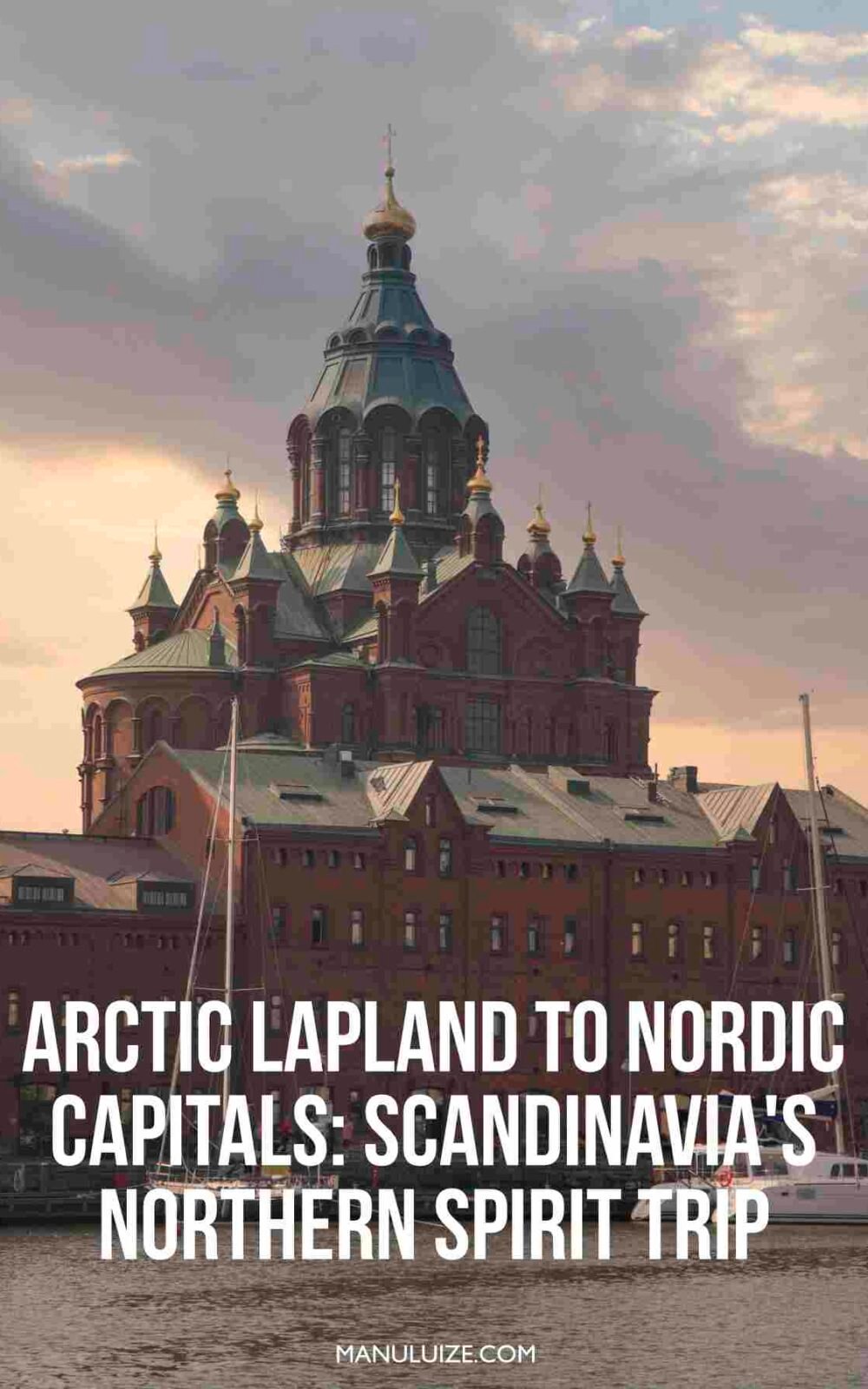
Finland’s capital sits on a peninsula surrounded by the waters of the Baltic Sea. Its compact centre combines neoclassical buildings with modern architecture, lively design districts and a strong café culture.
The white façade of Helsinki Cathedral dominates Senate Square, while the nearby Market Square provides a more informal introduction to local life. Stalls sell Finnish produce, pastries and seasonal specialities, and ferries depart regularly towards the surrounding islands.
The city’s design heritage is equally visible. Museums, independent shops and public buildings demonstrate the Finnish preference for clean lines, natural materials and practical elegance.
Northbound Into the Arctic
The Helsinki to Rovaniemi train offers a memorable transition from Finland’s southern capital to the landscapes of Lapland. As the journey progresses, dense urban areas gradually disappear and forests become increasingly dominant.
The route is especially atmospheric during winter. Snow-covered trees line the railway, frozen lakes appear between stretches of woodland, and daylight becomes noticeably shorter as the train moves north.
Travelling overnight can make the journey particularly appealing, allowing passengers to settle into their cabins in Helsinki and wake closer to the Arctic Circle.
Rovaniemi and the Lapland Experience
Rovaniemi is widely regarded as the gateway to Finnish Lapland. The city sits close to the Arctic Circle, surrounded by forests and waterways that become a playground for winter activities.
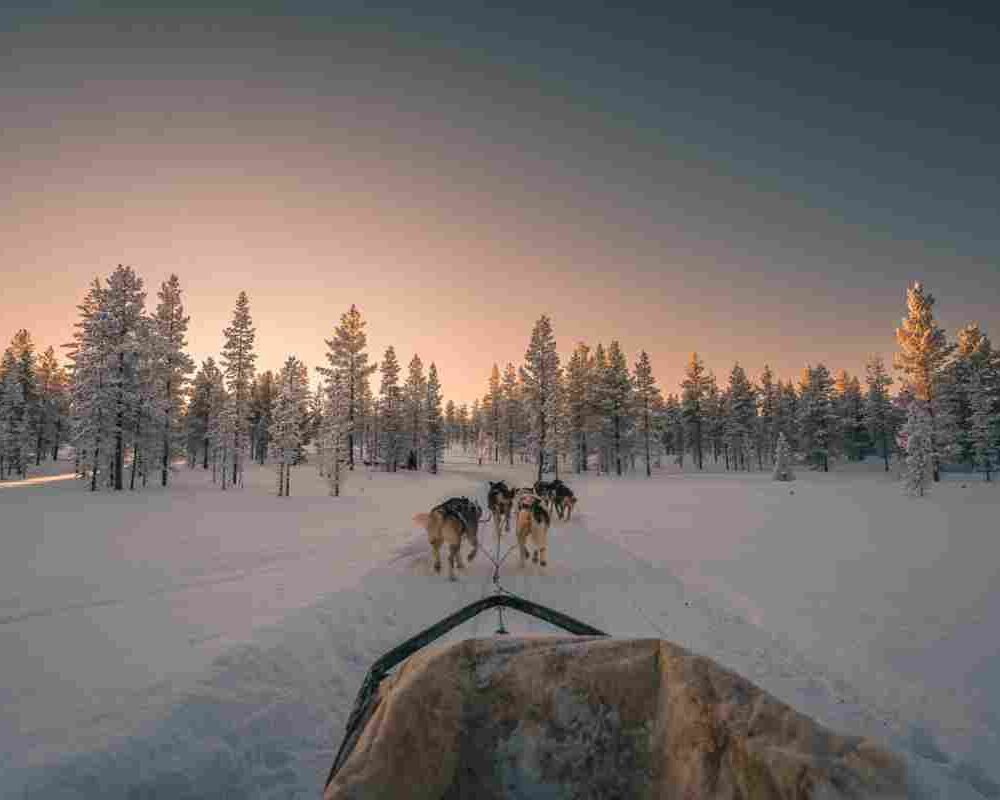
Snowmobiling, husky sledding and reindeer excursions provide ways to explore the surrounding wilderness, while cross-country skiing remains an important part of local life.
The Arcticum museum offers insight into Lapland’s natural environment and cultural history. Exhibitions explore northern ecosystems and the traditions of communities that have adapted to life in one of Europe’s most challenging climates.
The Journey Across Sweden
The Copenhagen to Stockholm train provides a convenient link between two Scandinavian capitals while allowing travellers to experience the landscapes between them. Sweden’s countryside is characterised by forests, lakes and small settlements, offering a quieter contrast to Stockholm’s urban energy.
The journey also demonstrates the geographical scale of Scandinavia. Even within a well-connected region, stretches of countryside can feel remarkably spacious, with long views across woodland and farmland.
For travellers who prefer seeing landscapes rather than airports, rail travel adds an extra dimension to the itinerary.
Stockholm Across the Water
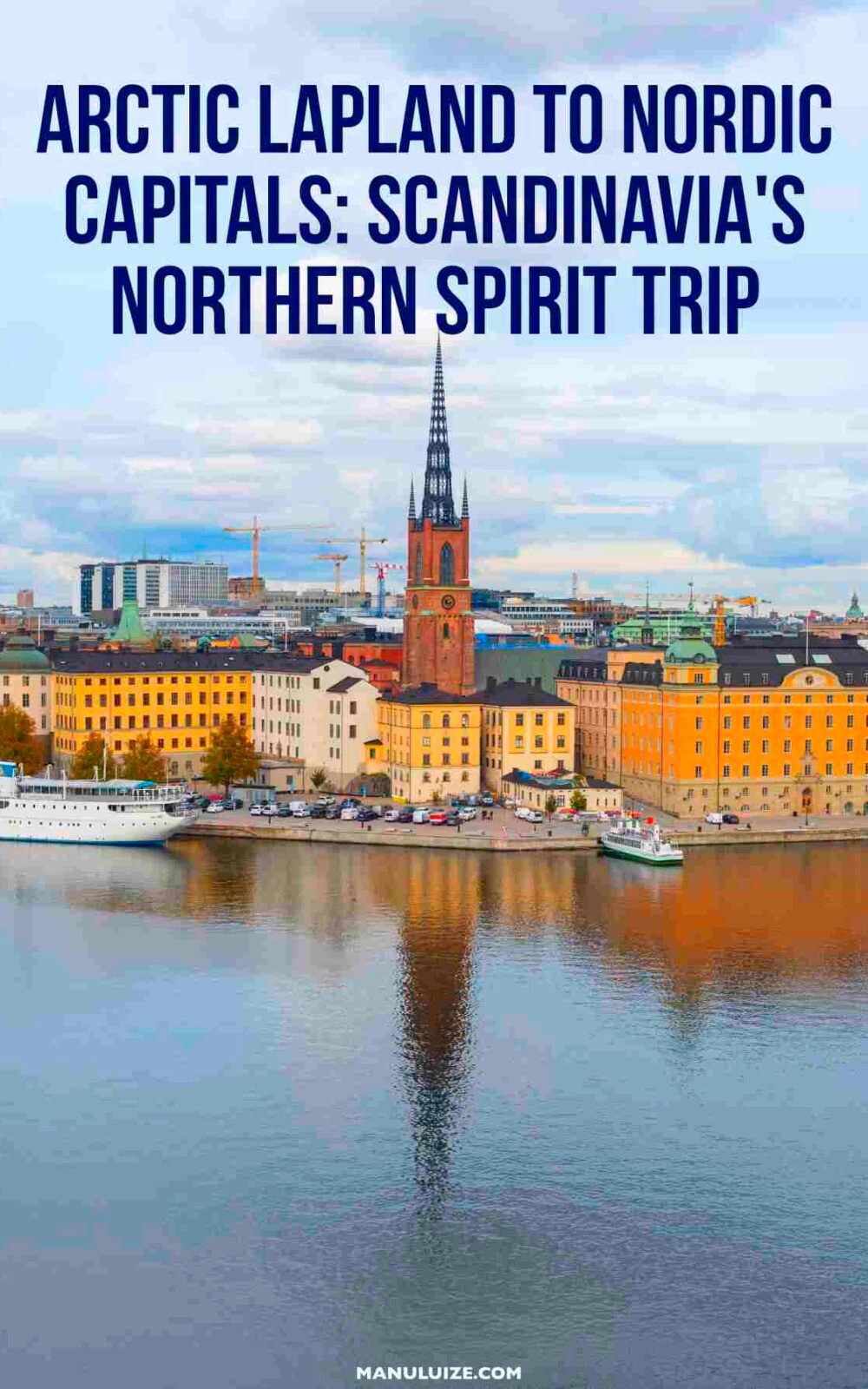
Heading southwest brings a completely different setting. Stockholm is spread across numerous islands where Lake Mälaren meets the Baltic Sea, giving the Swedish capital an unusually strong relationship with water.
Gamla Stan, the historic centre, is filled with narrow streets, colourful buildings and historic squares. The Royal Palace sits at its heart, while museums and cafés occupy many of the surrounding lanes.
Elsewhere, Stockholm’s modern side is evident in districts such as Södermalm, where independent boutiques, restaurants and creative businesses have established themselves among older architecture.
Copenhagen’s Northern Elegance
Copenhagen has a different personality again. Denmark’s capital combines historic palaces and colourful harbour buildings with contemporary architecture, innovative restaurants and a famously strong cycling culture.
Nyhavn remains one of the city’s best-known sights, but the surrounding neighbourhoods reveal a more everyday side. Cyclists dominate many streets, cafés occupy pavements even during cooler months, and former industrial areas have been transformed into cultural and culinary destinations.
The city’s design heritage is also impossible to miss. Furniture, architecture and interior spaces frequently favour simplicity, functionality and natural materials.
Nordic Food Across the Region
Food provides a delicious thread connecting these destinations. Finnish cuisine makes extensive use of berries, rye, mushrooms, fish and game, while Lapland is particularly associated with reindeer and Arctic berries.
Swedish cooking includes classics such as meatballs, pickled herring, cinnamon buns and seasonal crayfish. Denmark has developed an international reputation for its modern interpretation of Nordic ingredients, while traditional favourites such as rye bread and pastries remain firmly rooted in everyday life.
Markets and bakeries offer particularly easy ways to explore local flavours without planning elaborate meals.
A Northern Journey Through the Seasons
Connecting Lapland with Scandinavia’s capitals reveals how dramatically Nordic life can shift across latitude. Helsinki brings Baltic sophistication, Rovaniemi opens onto the Arctic wilderness, Stockholm blends islands with urban culture, and Copenhagen combines maritime heritage with contemporary design.
The distances between these places are more than geographical. They represent changing light, landscapes, traditions and rhythms of daily life. By combining rail journeys with time outdoors and exploration in the cities, travellers can experience a Scandinavia that extends far beyond its famous capitals, from snow-covered forests beneath northern skies to lively waterfront streets much farther south.