



A Meeting Point of Two European Moods
Central Europe has a talent for making history feel remarkably close. Grand boulevards lead towards former imperial palaces, medieval lanes disappear behind elegant façades, and cafés occupy buildings that have witnessed generations of political and cultural change. Prague and Vienna capture this character particularly well, yet their personalities are far from identical.
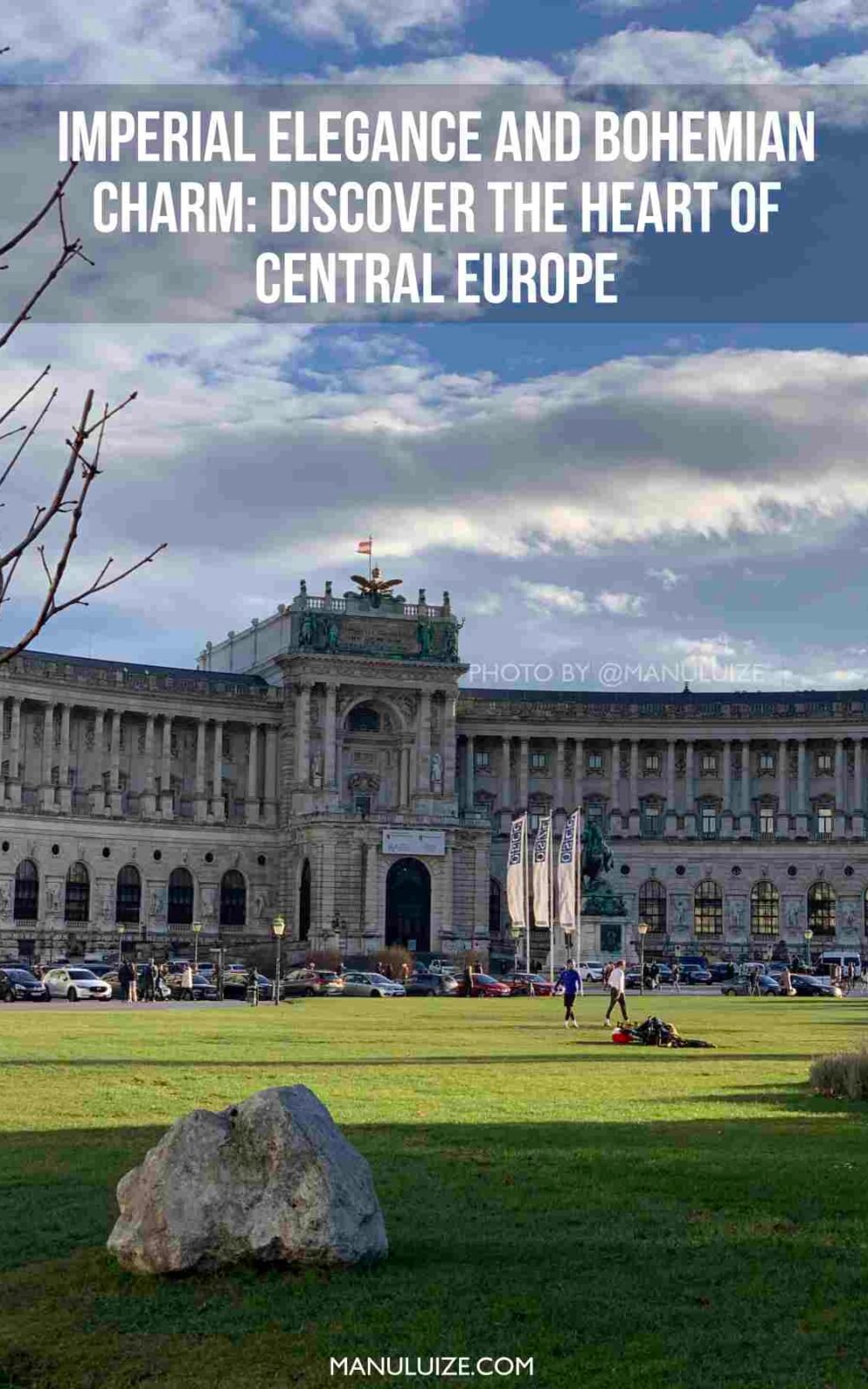
Vienna carries itself with polished grandeur, shaped by the Habsburg court and a long musical tradition. Prague feels more theatrical, with Gothic towers, Baroque churches and winding streets creating an almost storybook setting. Experiencing both reveals a region where architecture, art, food and history have developed in constant conversation.
A Tale of Two Capitals
Travelling between Prague and Vienna reveals two cities that share an imperial past without feeling interchangeable. One is defined by medieval towers, river views and Bohemian traditions, while the other projects the formal elegance of a former court surrounded by grand avenues and musical institutions.
The Vienna to Prague train makes it possible to experience that contrast from the opposite direction, turning the railway itself into a thread connecting two fascinating cultural centres.
Their greatest appeal lies in the details between the famous sights: a quiet courtyard behind a cathedral, the sound of music drifting from a concert hall, a plate of dumplings in a neighbourhood restaurant or an ornate café where an afternoon can disappear over coffee. Central Europe reveals itself most vividly in those moments, when centuries of history become part of ordinary city life.
Prague’s Gothic Silhouette
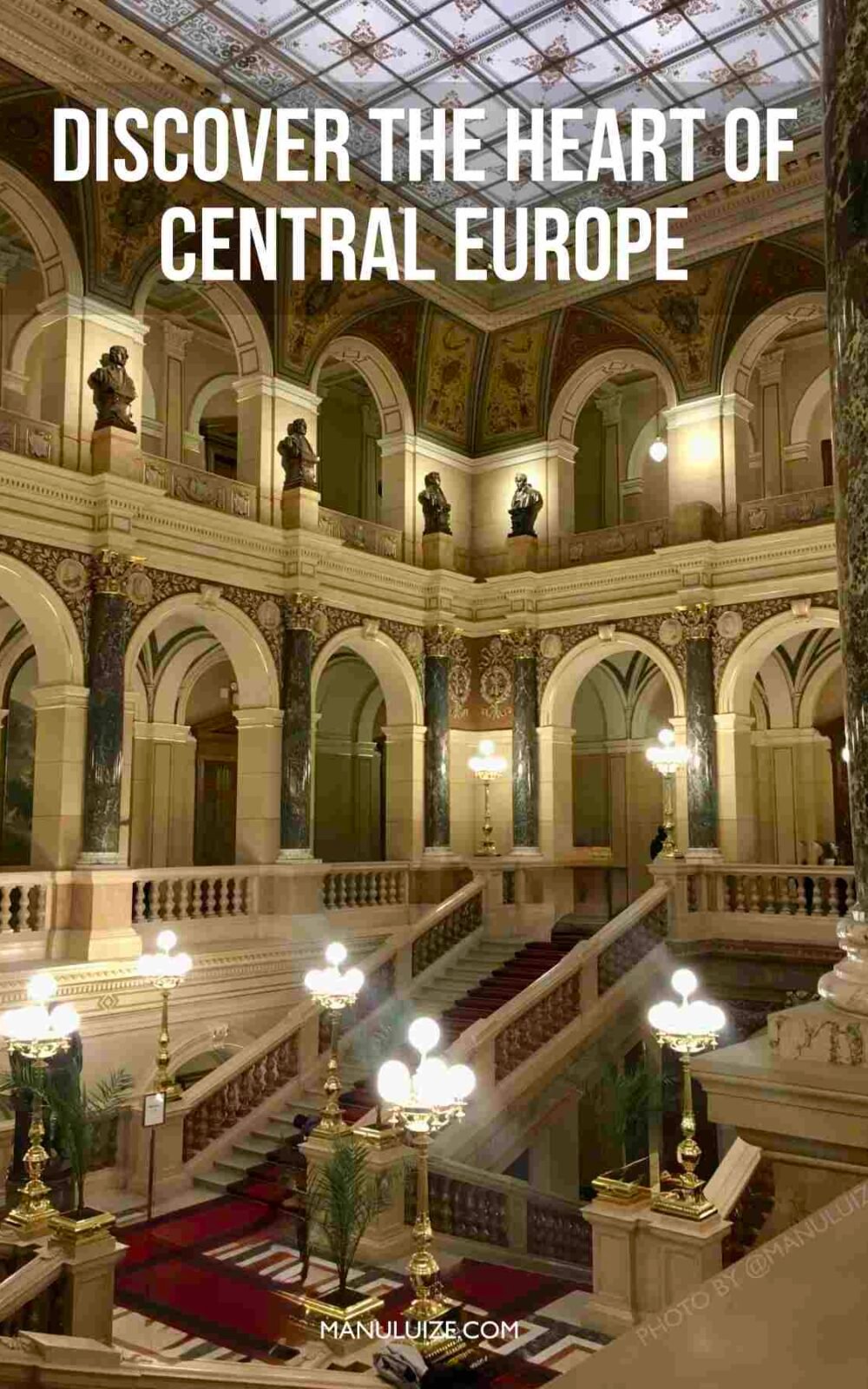
Prague announces itself through its skyline. Spires rise above the Old Town, church domes appear between rooftops and the Vltava cuts through the centre, crossed by historic bridges.
The Old Town Square remains the natural starting point, with the Astronomical Clock drawing attention to the medieval heart of the city. Nearby streets lead towards the Jewish Quarter, where synagogues and the Old Jewish Cemetery preserve an important chapter of Prague’s history.
Across the river, Prague Castle dominates the hillside. St Vitus Cathedral, with its soaring Gothic interior and colourful stained glass, is among the city’s most impressive sights. Wandering through the surrounding lanes also reveals smaller courtyards, gardens and viewpoints that are easily missed when following the busiest routes.
Along the Road to Vienna
The train from Prague to Vienna creates an easy connection between two capitals whose histories were closely intertwined. Beyond the urban outskirts, the route passes through Central European countryside, with agricultural fields, small settlements and wooded areas appearing along the way.
The relatively gentle journey also provides a useful pause between sightseeing days. Instead of spending hours navigating airports, passengers can remain comfortably within the city-centre rail network and arrive close to Vienna’s historic core.
By the time Vienna comes into view, the architectural atmosphere has shifted. Prague’s medieval drama gives way to broad avenues, monumental buildings and the refined proportions associated with the former imperial capital.
Vienna’s Imperial Stage
Vienna’s Ringstrasse provides perhaps the clearest expression of its imperial ambitions. The grand boulevard curves around the historic centre, passing the Vienna State Opera, Parliament, Burgtheater and numerous museums.
At the Hofburg, former imperial apartments and ceremonial spaces reveal the scale of the Habsburg court. The complex has expanded over centuries, creating a fascinating mixture of architectural periods.
Schönbrunn Palace offers another glimpse into royal life beyond the central district. Its formal gardens stretch towards wooded hills, while the palace interiors recall the elaborate world of the imperial family.
Yet Vienna is not defined solely by palaces. Residential streets, markets and neighbourhood cafés provide a more relaxed counterpoint to the city’s monumental centre.
A Capital Built for Coffee
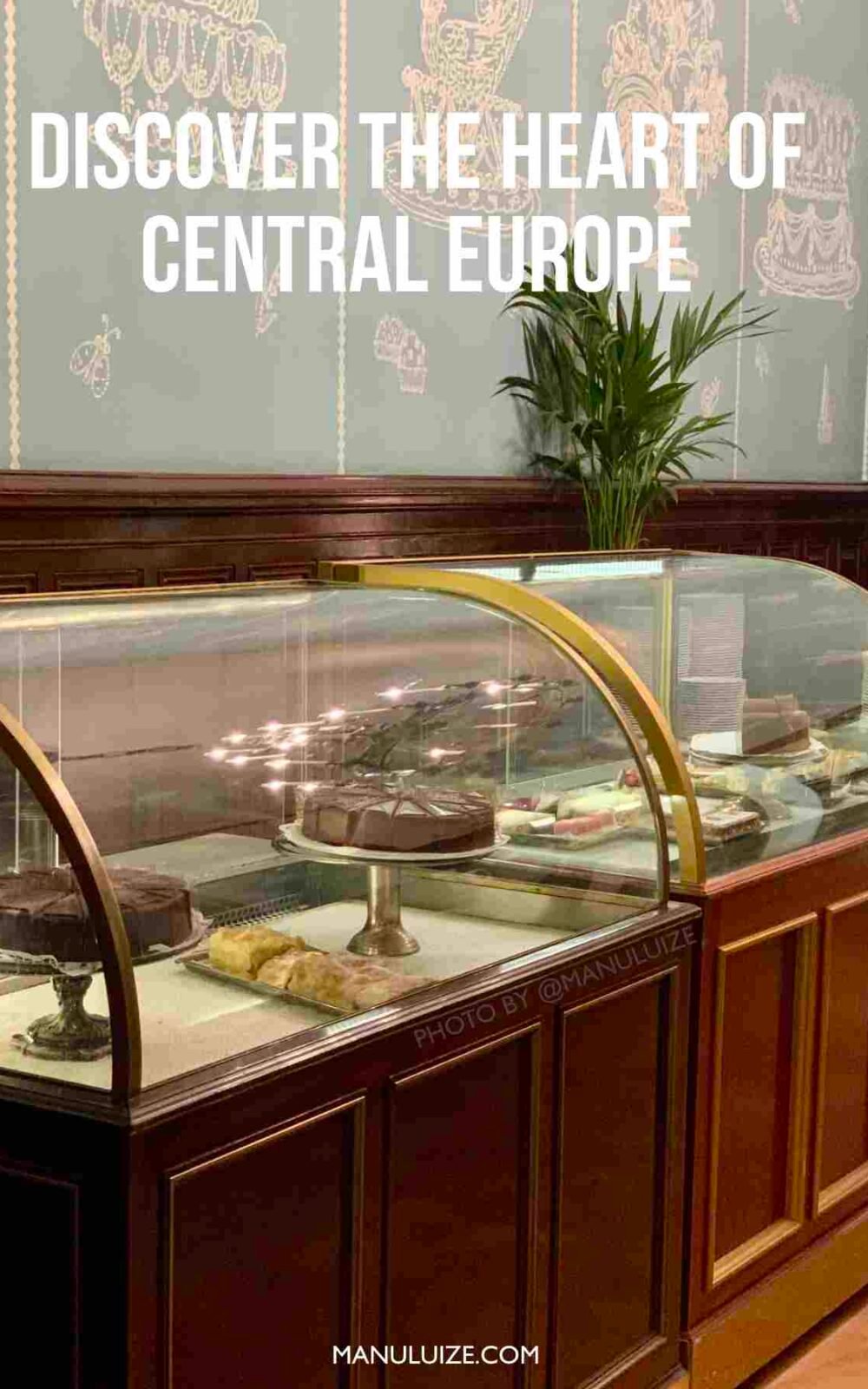
Vienna’s coffee-house tradition is inseparable from its cultural identity. Historic cafés have long provided spaces for writers, musicians, intellectuals and ordinary residents to read newspapers, meet friends or spend an afternoon over coffee and cake.
The menu is almost as important as the setting. Melange, Einspänner and other Viennese preparations offer an introduction to a sophisticated coffee vocabulary, while pastries such as apple strudel and Sachertorte add another layer of indulgence.
Prague has its own café culture, though the atmosphere can feel somewhat different. Art Nouveau interiors, literary associations and contemporary coffee shops occupy spaces throughout the city, creating a bridge between historic traditions and modern tastes.
Music Written Into the City
Vienna’s relationship with classical music is impossible to overlook. Mozart, Beethoven, Schubert and Strauss all left lasting marks on the city’s cultural history, and concert programmes continue to draw audiences to elegant halls and historic churches.
The Vienna State Opera remains one of Europe’s leading opera houses, while smaller venues provide opportunities to hear chamber music in more intimate surroundings.
Prague has a similarly rich musical heritage. The city is closely associated with Antonín Dvořák and Bedřich Smetana, and classical performances take place in theatres, churches and concert halls throughout the year.
The difference lies partly in atmosphere. Vienna often presents music with formal grandeur, whereas Prague’s historic interiors can give performances a more intimate setting.
Bohemian Flavours on the Table
Food offers another way to distinguish the two capitals. Czech cuisine is hearty and comforting, with dishes such as svíčková, goulash and roast pork appearing alongside dumplings and rich sauces. Beer is deeply embedded in the country’s culinary culture, with local breweries contributing to a long tradition of brewing.
Viennese cooking reflects centuries of cultural exchange within the former empire. Wiener Schnitzel, tafelspitz and hearty soups remain familiar classics, while pastry shops preserve an extraordinary tradition of baking.
Markets provide an alternative to formal restaurants. Prague’s Náplavka farmers’ market becomes particularly lively on weekends, while Vienna’s Naschmarkt brings together produce, spices, prepared foods and international influences.
The River That Connects the Story
Both cities owe much of their character to their rivers. The Vltava gives Prague its dramatic composition, with the castle rising above one bank and the Old Town spreading across the other. Walking along the river at dusk provides some of the city’s most memorable views.
Vienna’s relationship with the Danube is less visually concentrated in the historic centre, but the river remains an important part of the city’s geography. The Danube Canal has developed into a lively urban space where restaurants, bars and seasonal outdoor venues attract residents during warmer months.
Water provides a useful reminder that these capitals are not simply collections of monuments. Their development has always depended on movement, trade and connections beyond their walls.
Art Nouveau and Modern Expressions
Prague and Vienna both possess outstanding examples of Art Nouveau, although each city interprets the style differently. Decorative façades, stained glass, sculptural details and elaborate interiors appear throughout their central districts.
Vienna’s Secession Building stands out with its distinctive dome, while the work of Gustav Klimt and other artists associated with the Vienna Secession transformed the city’s artistic reputation.
Prague’s Municipal House offers another spectacular example, combining ornate architecture with interiors decorated by leading Czech artists. Contemporary galleries and design studios now add newer layers to both cities, ensuring that their cultural scenes extend well beyond historic collections.