


Where the Peninsula Changes Pace
Spain and Portugal share a peninsula, a long Atlantic edge and centuries of intertwined history, yet travelling between them quickly reveals two distinct personalities. Spain often feels expansive and theatrical, with broad plazas, grand boulevards and cities built around centuries of political power. Portugal tends towards a more intimate scale, where tiled façades, steep lanes and ocean views shape the character of everyday life.
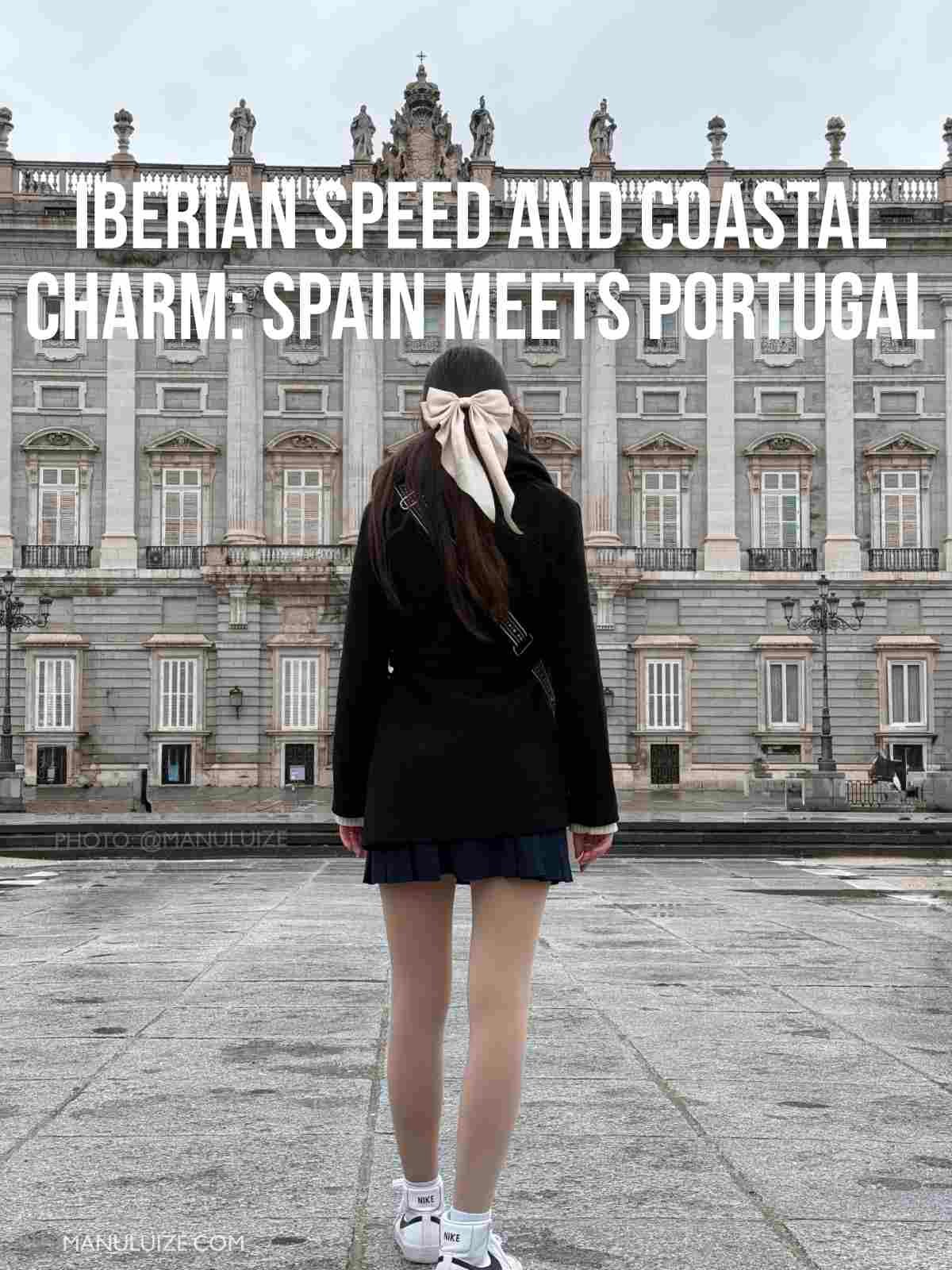
A journey linking Madrid, Seville, Lisbon and Porto brings together some of the peninsula’s most compelling contrasts. High-speed rail makes the distances manageable, while the landscapes between the cities provide a useful reminder that Iberia is far more varied than its most recognisable landmarks suggest.
Madrid’s Grand Opening
Madrid is a city of spacious avenues and monumental buildings, but its most memorable moments often occur in its neighbourhoods. The Prado Museum provides an extraordinary introduction to Spanish art, with works by Velázquez, Goya and other masters filling its galleries.
Outside the museum district, Retiro Park offers a welcome change of rhythm. Locals jog along its paths, families gather around the lake and shaded walkways provide an escape from the traffic of the surrounding streets.
Later, La Latina becomes a natural destination for an evening meal. Tapas bars occupy narrow streets and small squares, while traditional dishes share menus with newer interpretations of Spanish cuisine. Madrid’s appeal lies partly in this balance between grandeur and informality.
Southward on the Spanish High-Speed Network
The AVE train transforms the journey from Madrid towards Andalucía, carrying passengers south through a changing landscape of dry plains, agricultural fields and olive-covered hills.
The speed is impressive, but the scenery deserves attention. Spain’s interior can appear surprisingly open, with distant mountains sometimes visible beyond vast stretches of countryside. As the route approaches Seville, the landscape becomes greener and the influence of the warmer southern climate becomes increasingly apparent.
This is one of the great advantages of travelling by rail across Spain. The journey remains connected to the geography of the country rather than disappearing entirely between airport terminals.
Seville After Sunset
Seville feels immediately warmer in both climate and atmosphere. Orange trees line plazas, tiled courtyards hide behind historic façades and the Guadalquivir provides a broad ribbon of water through the city.
The cathedral and Giralda tower dominate the historic centre, while the Real Alcázar introduces an extraordinary combination of architectural influences. Its courtyards and gardens are particularly enjoyable in the late afternoon, when the heat begins to ease.
As evening approaches, Seville’s social life moves outdoors. Tables fill pavements, flamenco performances draw audiences into intimate venues and the smell of grilled food drifts through the narrow streets. The city is best experienced at a leisurely pace, with plenty of time left for unplanned stops.
Córdoba’s Architectural Conversation
Córdoba makes an excellent addition to the route for travellers interested in architecture and history. The Mezquita-Catedral is its defining monument, where rows of arches and columns create an interior unlike almost anywhere else in Europe.
The surrounding streets are narrower and quieter, particularly around the old Jewish Quarter. Whitewashed walls, flower-filled patios and small workshops create a very different visual experience from Seville’s grander avenues.
Córdoba also demonstrates how Iberian cities have repeatedly absorbed different cultural influences. Roman, Islamic, Jewish and Christian histories can all be traced through its buildings, streets and surviving traditions.
Portugal Appears in Tile and Stone
Crossing into Portugal brings a noticeable shift in architectural detail. Azulejos appear across façades, railway stations and churches, while traditional paving creates intricate patterns beneath pedestrians’ feet. The Lisbon to Porto train offers a straightforward connection between Portugal’s two major cities while passing through a landscape that gradually changes as the journey heads north.
Lisbon is the country’s most recognisable urban expression of this style. The city climbs across several hills above the Tagus, producing viewpoints almost everywhere. Alfama is a maze of stairways and lanes, with washing hanging between buildings and the sound of trams echoing through the streets.
The viewpoint at Miradouro da Senhora do Monte offers a broad panorama over the rooftops, castle and river. It is particularly atmospheric towards evening, when the light softens across the city.
Lisbon’s Atlantic Outlook
Portugal’s relationship with the sea becomes especially clear in Belém. The Jerónimos Monastery and Belém Tower recall the country’s maritime expansion, while the waterfront provides an open perspective across the Tagus.
The nearby Pastéis de Belém bakery has become a destination in its own right, but the wider neighbourhood deserves attention too. Museums, gardens and riverside paths make this an area where several hours can pass comfortably.
Further west, the coastline becomes more rugged. Cascais and the beaches beyond provide easy escapes from the capital, with sandy stretches, rocky viewpoints and promenades overlooking the Atlantic.
North Along the Portuguese Coast
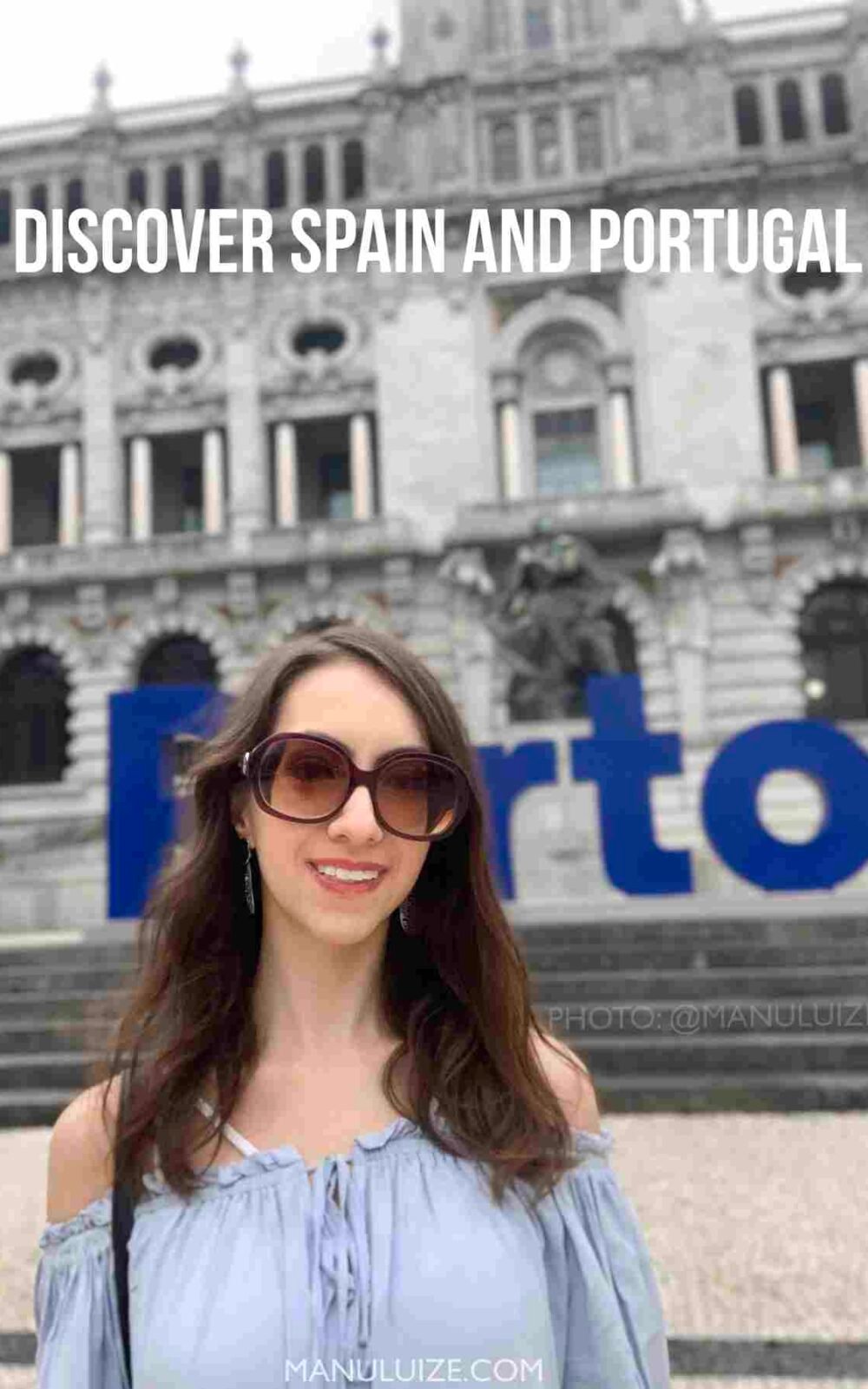
Porto has a more compact and weathered appearance than Lisbon. Its historic centre rises steeply above the Douro, with colourful buildings stacked along the riverbank and narrow streets climbing between them.
The Dom Luís I Bridge provides one of the city’s defining views, while the Ribeira district below remains filled with restaurants, bars and waterfront terraces. Across the river, Vila Nova de Gaia is closely associated with port wine and its historic cellars.
Porto and the Douro
Porto’s relationship with the Douro extends far beyond the city. The river travels inland through a spectacular wine-producing region where steep terraces climb the surrounding hillsides.
Day trips into the valley reveal a quieter side of northern Portugal. Vineyards follow the contours of the slopes, small estates overlook the water and traditional villages appear between stretches of countryside.
Boat trips provide another perspective, particularly for those who want to see how dramatically the landscape rises from the river. The Douro also explains much about Porto’s commercial history, since wine once travelled downstream towards the city’s port facilities.
A Peninsula on the Plate
Food provides a continuous thread across the journey, although the flavours change considerably between regions. Madrid brings jamón, croquettes and hearty stews, while Andalucía adds gazpacho, fried fish and dishes influenced by its southern climate.
Portuguese cuisine turns more decisively towards the Atlantic. Cod, sardines, octopus and shellfish appear frequently, accompanied by olive oil, potatoes and fresh vegetables.
Desserts deserve their own attention. Portuguese custard tarts are internationally famous, but regional bakeries offer many other pastries worth discovering. In Porto, a glass of port provides a natural finale to meals influenced by the nearby Douro Valley.
Two Countries, Countless Landscapes
The journey between Spain and Portugal demonstrates how much variety can exist within one corner of Europe. Madrid’s monumental avenues gradually give way to Andalucía’s warmer landscapes, while Lisbon’s hills open towards the Atlantic before Porto introduces the steep valleys of northern Portugal.
Rail travel makes these changes particularly enjoyable because the countryside remains visible throughout the journey. The cities provide the cultural highlights, but the spaces between them explain why their architecture, food and traditions developed as they did.
From the Castilian interior to the Portuguese coast, Iberia rewards travellers who pay attention to those transitions. The real pleasure is not simply arriving at the next city, but watching an entire peninsula change outside the window.