



A thoughtfully designed home rarely happens by accident. It grows out of small, deliberate choices that work together, from the way guests are greeted at the front door to the way each room encourages people to slow down and stay a while. Many homeowners sense that something is missing in their space but struggle to say exactly what it is. The good news is that turning an ordinary house into an inviting one seldom requires a full renovation. It usually begins with paying closer attention to how each area looks, feels, and works, both inside and out.
Making the Outside of Your Home Feel Welcoming After Dark

The first impression a home makes begins long before anyone steps inside, and that impression should not fade when evening arrives. Many houses look polished during the day but lose their charm at night because the outdoor lighting is missing, too harsh, or placed without a clear plan. A custom outdoor illumination design solves this by drawing attention to the best features of a property while keeping walkways, steps, and entrances safe. Many homeowners rely on Sunrise Irrigation for landscape lighting that includes custom design, energy-efficient LED fixtures, and smart controls that can be adjusted from a phone. The result is a home that feels warm and welcoming from the street at any hour.
Choosing a Color Palette That Connects Every Room
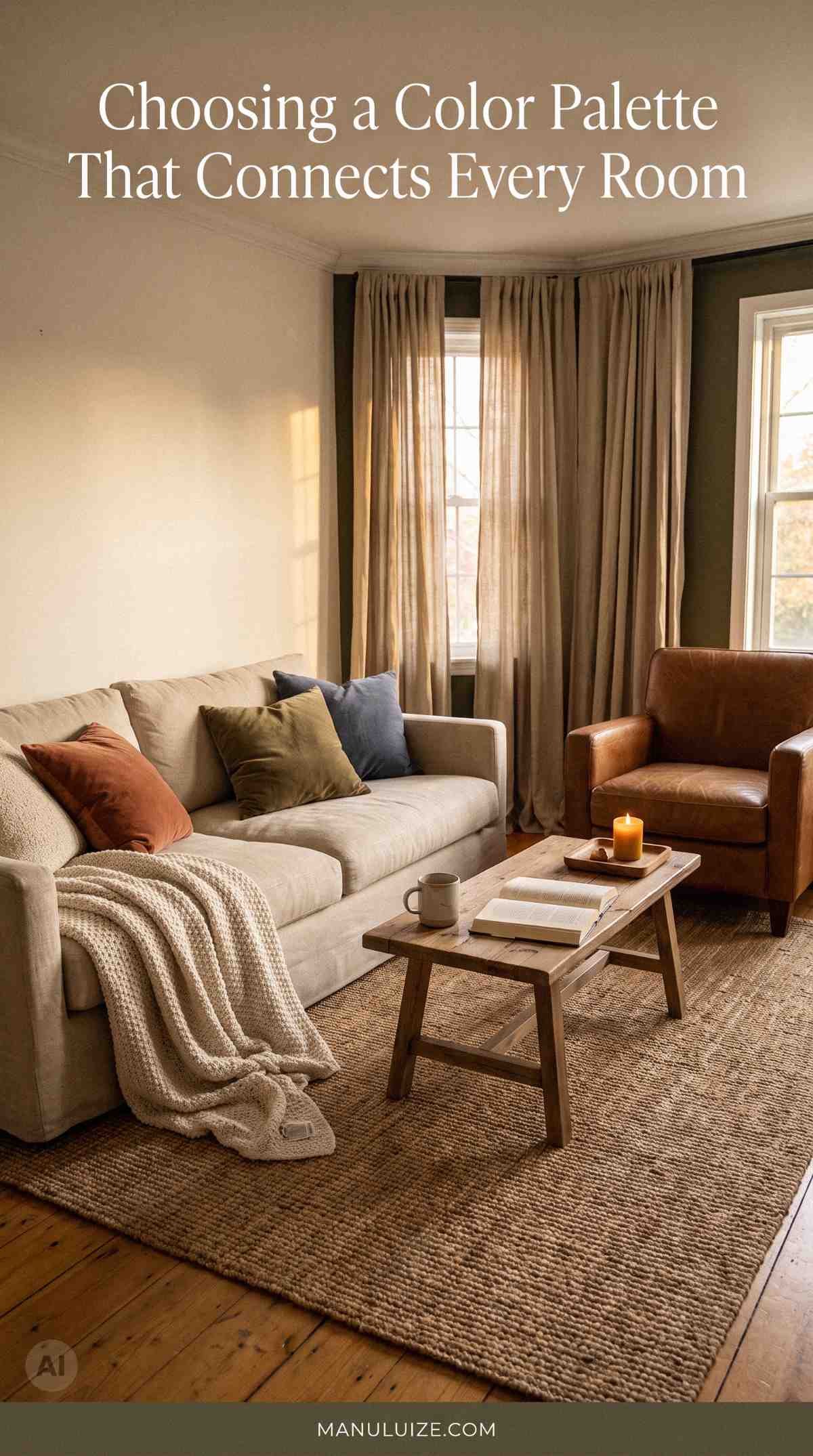
Color shapes the mood of a home more than almost any other single choice. When every room follows its own separate scheme, the house can feel disjointed, as if it were put together in pieces over many years. A connected palette solves this without making every space look identical. Start with two or three base shades that appear throughout the home, then allow each room to add its own accent through pillows, artwork, or a painted feature wall. Soft neutrals, warm whites, and gentle earth tones create a calm backdrop that suits most styles. Deeper shades such as navy, forest green, or terracotta can then add character where you want a room to feel cozy or dramatic.
Layering Textures to Add Warmth and Depth
A room can have beautiful furniture and still feel flat if every surface is smooth and similar. Texture gives the eye something to rest on and makes a space feel lived in rather than staged. Mix materials with different finishes, such as a woven rug beneath a leather chair, a chunky knit throw over a linen sofa, or a wooden tray on a stone counter. Curtains in a heavier fabric soften hard walls and windows, while baskets and ceramics add a handmade quality. The goal is balance, so pair rough with smooth and soft with solid. Bedrooms benefit from this approach as well, where a quilted coverlet, a velvet cushion, and crisp cotton sheets can turn a plain bed into an inviting retreat. Even bathrooms gain warmth from a bamboo mat, thick cotton towels, or a small wooden stool beside the tub. When textures are layered with care, even a simple room starts to feel rich and comfortable.
Arranging Furniture Around Conversation and Comfort
The way furniture is placed decides how people actually use a room. Pushing every piece against the walls may seem tidy, but it often leaves an empty middle and makes conversation awkward. Instead, group seating so that people can face one another and talk without raising their voices. Pull sofas and chairs a little closer together and anchor the group with a rug that sits beneath the front legs of each piece. Leave clear paths for walking so nobody has to squeeze past a table or step over a cord. Every seat should have a nearby surface for a drink or a book. These small adjustments turn a room into a place where people naturally gather.
Bringing Nature Indoors With Plants and Natural Materials
Living greenery adds color, movement, and a sense of freshness that few decorative items can match. A tall potted tree in a corner, a row of herbs along a kitchen windowsill, or a trailing vine on a bookshelf can change the feel of a room within a day. Choose plants that suit the conditions in each space, since healthy foliage looks far better than a struggling one. Natural materials carry the same effect even without plants. Wood, stone, rattan, cotton, and wool connect the inside of a home to the world outside. Together, they make rooms feel grounded, calm, and pleasant to spend time in.
Keeping Clutter Under Control With Smart Storage
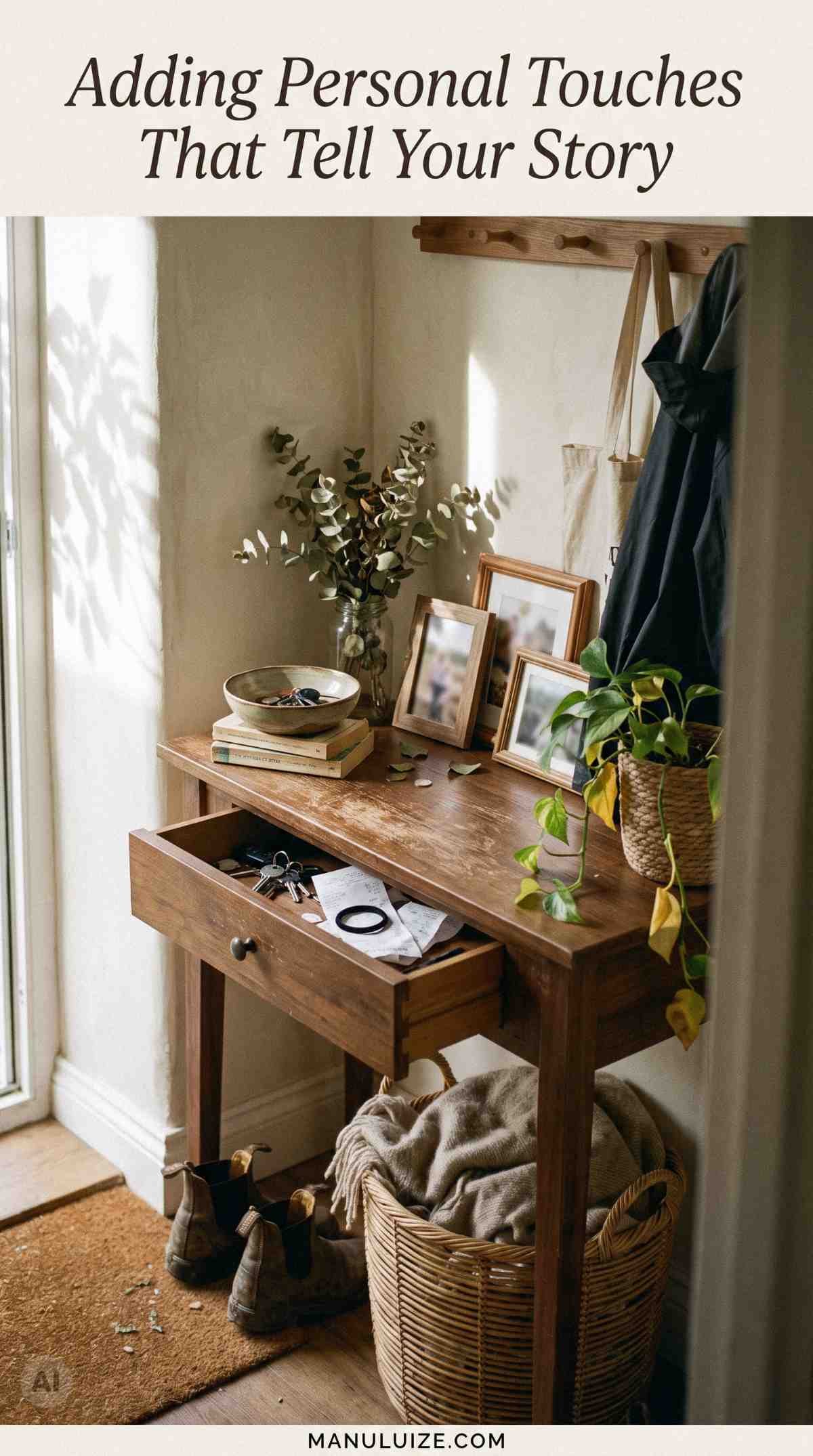
Even the most carefully styled room loses its appeal when surfaces disappear under mail, keys, toys, and chargers. Clutter makes a home feel busy and can quietly add stress to daily life. Smart storage keeps everyday items close at hand while keeping them out of sight. A console table with drawers near the entrance gives keys and bags a home. Ottomans and benches with hidden compartments hold blankets and games. Closed cabinets in the living room hide electronics and paperwork. Setting aside a few minutes each evening to put things back where they belong keeps the house ready for guests and restful for the people who live there.
Adding Personal Touches That Tell Your Story
A house becomes a home when it reflects the people inside it. Design magazines can offer ideas, but copying a showroom often leaves a space feeling cold and anonymous. Display items that carry meaning, such as framed family photos, artwork picked up on a trip, a collection of favorite books, or a piece of furniture passed down through generations. Group smaller objects together so they read as a collection rather than scattered clutter. Rotate pieces with the seasons to keep the home feeling fresh. These personal details give visitors a sense of who you are and make every room feel truly your own.